News - Construction News
From Paddy to Panel: Harnessing Rice Husk Waste for Sustainable Building Insulation
In the construction industry, thermal insulation remains a critical challenge, especially as energy efficiency and sustainability become ever more important. Traditional insulation systems often rely on petrochemical-based materials, which, while effective, carry a high carbon footprint and can pose a fire risk. Even natural alternatives like wool or cork have limitations, such as resource scarcity or energy-intensive processing.
Existing technologies for building envelope insulation typically involve the on-site installation of panels made from synthetic materials, fixed with adhesives and mechanical fasteners. These methods can be labour-intensive, disruptive to building occupants, and come with a significant environmental impact. Whilst prefabricated systems have addressed some of these issues, many still rely on high-carbon materials or adhesives, limiting their sustainability benefits.
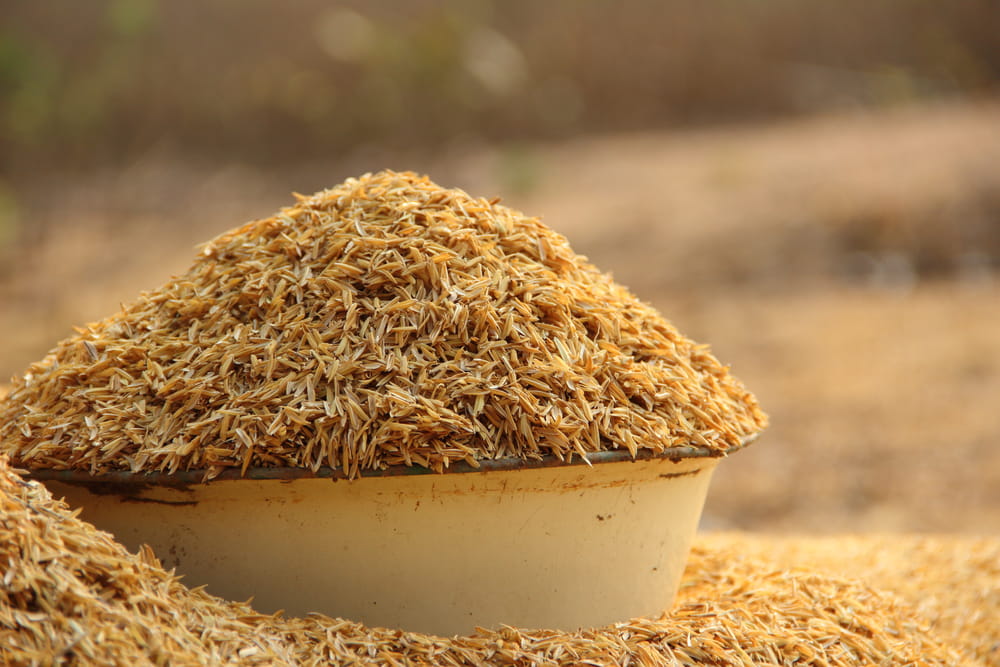
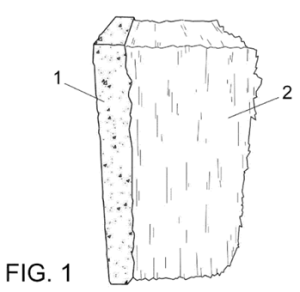
European Patent EP4471221B1, granted to AIDIMME in November 2025, describes a method of prefabricating a novel cladding element that uses rice husk waste – a by-product of rice production – as its core insulating material. The invention centres on the production of a multilayer panel formed of an insulating layer (2), which is fixed to a layer of mortar (1). The layer of mortar is made with recycled aggregate comprising construction and demolition waste. The insulating layer is formed of rice husk agglomerated with an adhesive and treated with an anti-fungal product. Notably, the rice husk requires no energy-intensive pre-treatment, and the mortar and husk layers are bonded during the curing process, without additional adhesives.
Commercially, this patented technology offers several advantages. Prefabrication reduces installation time and disruption, whilst the use of recycled and renewable materials lowers both environmental impact and carbon footprint. The system also contributes to waste management by repurposing rice husk and construction debris, aligning with circular economy principles. For building owners and contractors, improved thermal and acoustic performance, durability, and ease of installation translate into long-term cost savings and enhanced comfort for occupants.
Even in an established field of innovation, such as insulation panels, this patented technology demonstrates that there is still room for something new – especially when sustainability is at stake. By securing patent protection, AIDIMME benefits from a 20-year period of commercial exclusivity, and an opportunity to position itself at the forefront of eco-friendly building solutions.
Chris Hambley is a senior associate and patent attorney in the Advanced Engineering group at European IP firm, Withers & Rogers.






More News
- Why the Future of Architecture Is Grown, Not Manufactured
9 Apr 26
Bio-based materials offer a significant opportunity to reduce embodied carbon.
- Templant joins Camfaud Group following acquisition
8 Apr 26
Essex-based temporary power provider Templant has been acquired by Camfaud Group, the UK’s largest concrete
- Seven new towns proposed to kickstart housebuilding push
8 Apr 26
The UK Government has unveiled a landmark initiative to catalyse housebuilding.