News - Construction News


HS2: Pioneering low-carbon Wendover Dean Viaduct works underway
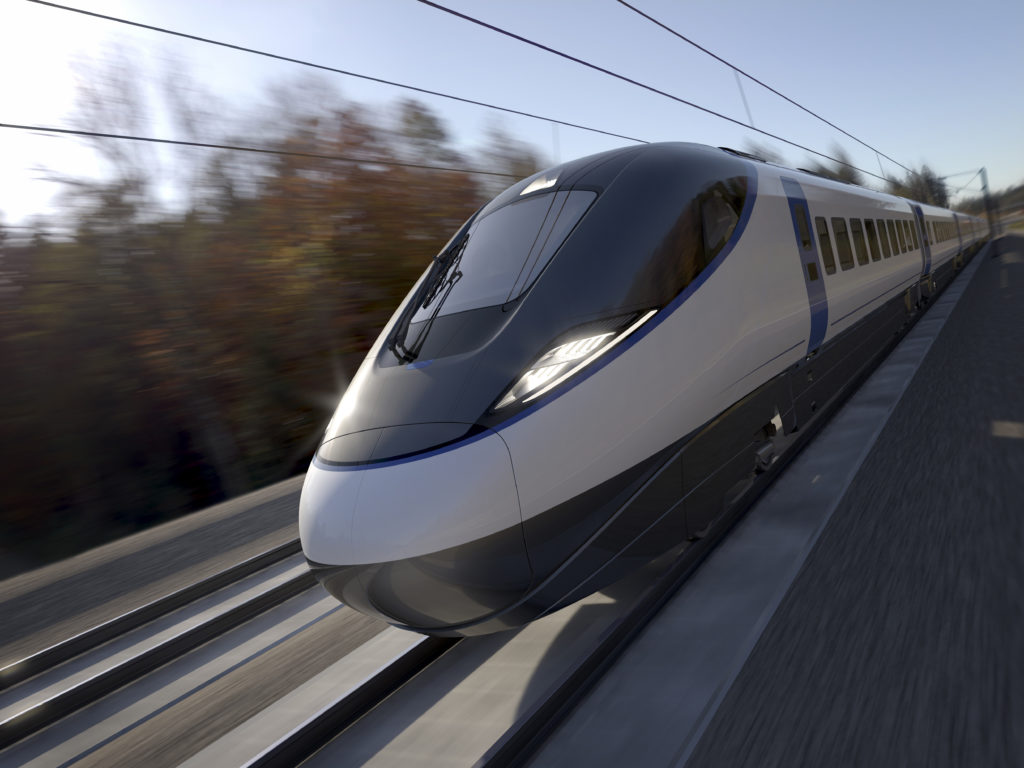
Work has begun on the 450 metre long Wendover Dean Viaduct, the first major railway bridge in the UK to be built with a double composite structure.
Part of HS2, Britain’s long awaited high-speed railway line, Wendover Dean Viaduct uses significantly less carbon-intensive concrete and steel in comparison to a more traditional design.
The double composite approach was inspired by similar structures on the latest French high-speed TGV lines. It was developed by a team made up of Eiffage, Kier, Ferrovial Construction and BAM Nuttall (EKFB), working with design JV partner Arcadis, Setec and COWI (ASC), and specialist architects Moxon.
Over the summer, an expert team of ground engineers will construct 63 concrete piles to form the foundations for the structure. On top of each group of piles – which will range from between 38 and 46m deep – a concrete pile cap will support the pier.
The piers – some of which will be up to 14 metres high – will be cast as shells before being assembled on-site and filled with concrete. This will reduce the amount of work and disruption for residents on-site.
Instead of using solid pre-stressed concrete beams to form the bridge spans, the viaduct will use two steel girders sandwiched between two layers of reinforced concrete to create a super strong but lightweight hollow span.
This approach is set to save an estimated 7,433 tons of carbon – the equivalent of 20,500 return flights from London to Edinburgh – and help HS2 achieve its goal of halving the amount of embedded carbon in construction.
According to HS2 Ltd Project Client Rohan Perin: “HS2 trains will be zero-carbon from day one, offering a cleaner, greener way to travel, cut the number of cars and lorries on our roads, cut demand for domestic flights, and help the fight against climate change.
“But we’re also serious about reducing the amount of carbon we use during construction, and Wendover Dean is a great example of how we’re using the latest engineering techniques to do just that. Concrete is one of the construction industries’ biggest sources of embedded carbon – and this innovative design will help us cut our carbon footprint while delivering a lighter, stronger and more elegant structure.“
The first double composite beams will be installed next year.
If you would like to read more stories like this, then please click here.





More News
- Derelict Site Turned Canalside Development Ready to Welcome First Residents
27 Aug 26
A £150m Wolverhampton Canal side development is preparing to welcome its first residents – with
- Women Leading the Future of Construction & Modular Building
18 Aug 26
Women make up around 15% of the UK construction workforce, a figure that falls further
- Homes England Backs Sunderland’s Sheepfolds Neighbourhood with £27.7 Million Investment
17 Aug 26
Homes England has confirmed a £27.7 million investment to unlock the Sheepfolds neighbourhood.