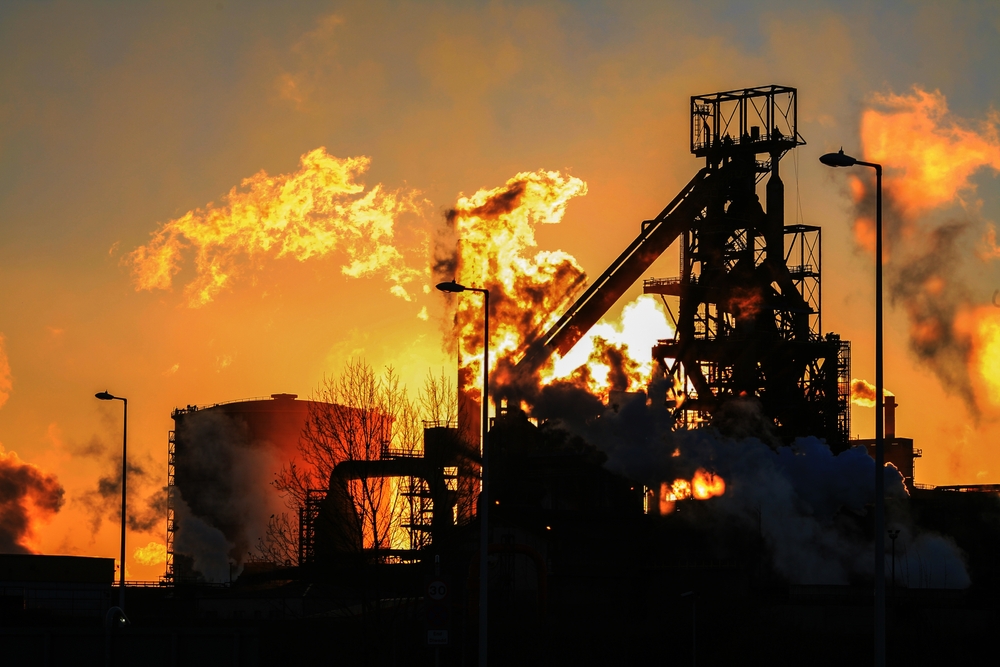
The government has taken British Steel into public ownership, with the transfer taking effect on 16 July 2026 following Royal Assent of the Steel Industry (Nationalisation) Act the previous day. The decision ends a period of government intervention that began in April 2025, when ministers stepped in to keep the Scunthorpe blast furnaces running after negotiations with former owner Jingye broke down.
For the construction and infrastructure supply chain, the nationalisation has direct implications. British Steel is a primary domestic source of structural steel, rebar and sections used across housebuilding, commercial construction, transport infrastructure and energy projects. Maintaining production at Scunthorpe preserves a supply chain link that would have been extremely difficult to replace had the site closed, particularly against a backdrop of tightening import quotas and rising global demand for construction steel.
The government’s stated ambition, set out in the Steel Strategy published in March and backed by up to £2.5 billion of investment, is for up to 50% of steel used in the UK to be made domestically. The nationalisation is positioned as the mechanism that makes that ambition credible, providing the platform to stabilise the business before determining its long-term commercial direction, including potential private sector investment.
A new leadership team of Non-Executive Directors has been appointed with immediate priorities focused on stabilising site operations, maintaining health and safety standards, sustaining production, and working with management, trade unions and staff on a pathway to commercial sustainability and decarbonisation. British Steel Interim CEO Allan Bell described the move as “an historic day for Britain and UK manufacturing” that “safeguards our future and strengthens national security and infrastructure.”
The broader package of steel sector support now in place includes a 51% reduction in tariff-free import quota volumes, £500 million for Tata Steel’s Port Talbot green steel transformation, and energy cost support worth hundreds of millions of pounds per year through the Supercharger and British Industrial Competitiveness Scheme. Together, these measures represent the most comprehensive government intervention in UK steelmaking for decades.
GMB National Secretary Charlotte Brumpton-Childs called on the government to back the nationalisation with a commitment to public infrastructure projects buying British – a call that, if acted upon, would have tangible consequences for procurement practices across publicly funded construction programmes including HS2, Sizewell C, the road investment strategy and housing delivery.
British Steel supports around 33,000 direct jobs and a further 36,000 across its supply chains. An independent valuer will be appointed to assess compensation to former owner Jingye, with a compensation scheme expected to be established through regulations in autumn 2026.
Capability areas relevant to this development include: structural steelwork fabrication and supply, reinforced concrete and rebar supply chains, steel-intensive civil engineering, green steel and low-carbon materials, infrastructure procurement and supply chain resilience, and materials cost planning.