News - Construction News


Government Approves UK’s Second Largest Solar Farm as Clean Energy Pipeline Accelerates
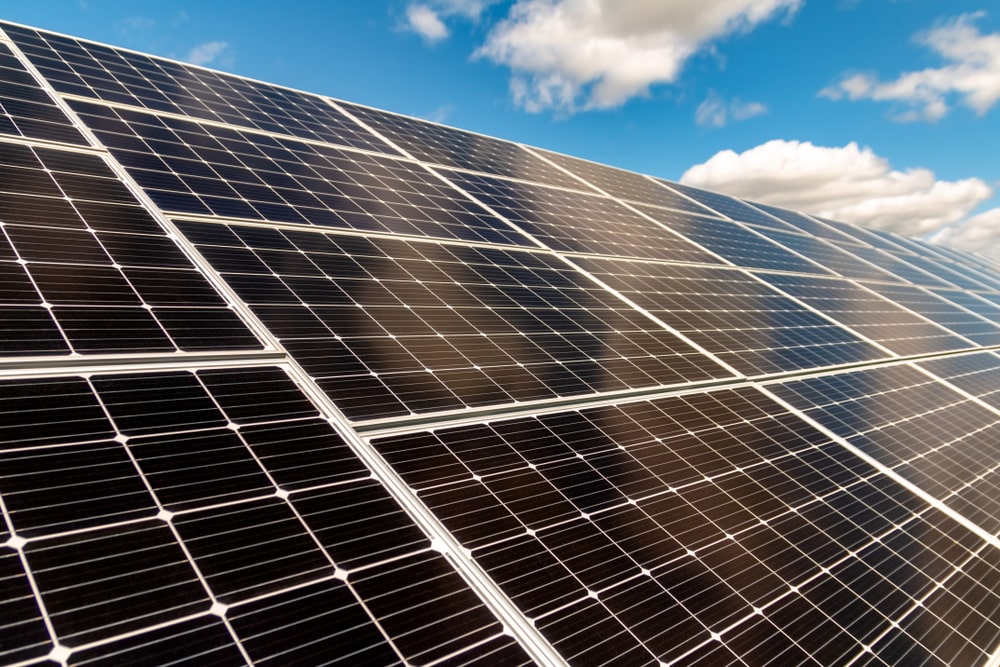
The government has approved One Earth Solar Farm, set to becom the second largest solar farm in the UK, capable of powering over 200,000 homes per year – equivalent to half the homes in Lincolnshire.
The decision, announced on 8 July 2026 by Energy Secretary Ed Miliband, is the 30th nationally significant clean energy project approved since July 2024, and the 42nd approved during this Parliament. Together, the approved projects represent enough clean energy capacity to power the equivalent of more than 19 million homes.
For the construction supply chain, the approval is the latest signal of sustained pipeline in large-scale solar infrastructure. One Earth follows closely behind the recent approvals of Peartree Hill and Dean Moor solar farms, and sits within a broader government drive to accelerate homegrown clean energy development. Government figures published last month confirmed that 2025 was the strongest year on record for solar deployment in the UK, with 269,000 installations completed.
Of particular relevance to contractors and supply chain businesses are the planning reforms now taking effect. Confirmed last week and delivered through the Planning and Infrastructure Act, changes scrapping mandatory pre-application consultation requirements for major infrastructure projects will cut up to 12 months from the planning process and could save industry up to £1 billion this Parliament. The reforms come into effect later this month and are expected to accelerate the pace at which nationally significant projects move from approval to construction start.
The government has also confirmed commitments to roll out plug-in solar across UK stores and require solar as standard on all new homes built in England – measures that extend solar-related construction demand well beyond utility-scale projects and into the housebuilding and commercial fit-out supply chain.
Energy Secretary Ed Miliband said the government had taken “a pro-growth approach to building more clean energy in Britain” for the past two years, citing global instability in fossil fuel markets as the driver for accelerating domestic clean power capacity.
Capability areas relevant to this sector include: solar PV installation and commissioning, civil groundworks and site preparation, grid connection and electrical infrastructure, battery storage and energy systems, environmental and ecological mitigation, planning and consenting support, and new-build solar integration.






More News
- Derelict Site Turned Canalside Development Ready to Welcome First Residents
27 Aug 26
A £150m Wolverhampton Canal side development is preparing to welcome its first residents – with
- Women Leading the Future of Construction & Modular Building
18 Aug 26
Women make up around 15% of the UK construction workforce, a figure that falls further
- Homes England Backs Sunderland’s Sheepfolds Neighbourhood with £27.7 Million Investment
17 Aug 26
Homes England has confirmed a £27.7 million investment to unlock the Sheepfolds neighbourhood.