News - Construction News


Plans to Decarbonise UK Power System

Plans have been revealed to ensure that homes and businesses in the UK are powered by affordable, clean and secure electricity by 2035.

A new landmark commitment to decarbonise the UK’s electricity system by 2035 was confirmed by Prime Minister Boris Johnson and Business and Energy Secretary Kwasi Kwarteng, to help boost the UK’s net zero ambitions. This will focus on building a secure, home-grown energy sector which reduces reliance on fossil fuels and exposure to volatile global wholesale energy prices.
This brings forward the Government’s commitment to a fully decarbonised power system by 15 years, and also builds on the PM’s 10 Point Plan for a Green Industrial Revolution to secure a future clean electricity supply generated in the UK, for the UK.
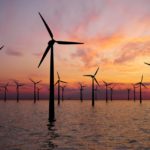
To ensure this ambition becomes a reality, the Government will double down on efforts to deploy a new generation of home-grown technologies – from offshore wind, hydrogen and solar, to nuclear, onshore wind and Carbon Capture and Storage.
These green technologies will use the wealth of Britain’s natural resources to deliver cleaner, cheaper power, and create thousands of new high-skilled jobs in new industries across the UK.
Business & Energy Secretary Kwasi Kwarteng said: “Our plan to move to clean energy and a carbon-neutral economy means new kinds of jobs in new kinds of industries. The world needs the innovation and entrepreneurial genius of British companies for this transition to succeed.
“Recent volatile gas prices have also demonstrated how the way to strengthen Britain’s energy security, ensure greater energy independence and protect household energy budgets in the long term is through clean power that is generated in this country for the people of this country.”
While gas generation continues to play a critical role in keeping the UK electricity system secure and stable, the development of clean energy technologies means it will be used less frequently in the future.
To ensure a clean electricity system is reliable, wind and solar power will need to be complemented by other clean technologies, such as nuclear and flexible technologies, that can supply electricity or reduce demand when the output from wind and solar generation is low.
The Government will set out further details on its wider plans to achieve net zero emissions by 2050, through its net zero strategy, which will be published ahead of the UK playing host to the UN COP26 climate summit in Glasgow.
If you would like to read more stories like this, then please click here




More News
- Derelict Site Turned Canalside Development Ready to Welcome First Residents
27 Aug 26
A £150m Wolverhampton Canal side development is preparing to welcome its first residents – with
- Women Leading the Future of Construction & Modular Building
18 Aug 26
Women make up around 15% of the UK construction workforce, a figure that falls further
- Homes England Backs Sunderland’s Sheepfolds Neighbourhood with £27.7 Million Investment
17 Aug 26
Homes England has confirmed a £27.7 million investment to unlock the Sheepfolds neighbourhood.