Sector - Health & Safety


Why Quality Work Boots are a Key Investment in UK Construction Sites
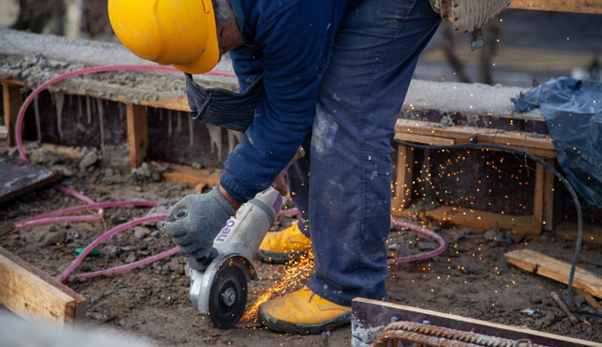
The construction industry remains one of the main areas that needs work safety addressing in the UK. According to data from the Health and Safety Executive, over 50,000 construction workers suffered an injury in 2024-25. It’s therefore unsurprising that the HSE comes down hard on construction companies to ensure workers have proper PPE.
Considering that foot injuries are among the most common on UK construction sites, employers are required under the Personal Protective Equipment at Work regulations to provide workers with suitable, high-quality working boots.
But compliance is just one of the many reasons. High-quality work boots can also boost productivity by improving workers’ satisfaction and reducing disruptions caused by injuries.
A first defence against everyday hazards on a site
Lots of things can hurt employees, especially their feet, at a construction site. Potential hazards include everything from moving equipment to nails and even uneven ground.
Most construction workers will tell you that without proper working boots, it’s a question of when, not if, they will get hurt. Modern working boots come with safety features allowing you to protect workers from slips, sharp debris, and impact injuries.
Toe protection
Almost every work boot out there comes with a toe cap. Most use steel or composite toe caps, which can protect workers from impacts up to 200 joules.
Steel-toe caps are stronger and better suited for construction sites, but are also heavier. They also conduct heat and cold, which makes them less comfortable.
Slip resistance
Slips can be quite dangerous on construction sites. Slip-resistant boots feature treaded outsoles for better grip. Before sending out a procurement order, make sure the working boots are rated for the surface type at your construction site.
Penetration protection
Construction sites can quickly become littered with nails, glass, and metal shards, and wearing boots with anti-penetration midsoles can keep your workers safe. You can opt for steel or composite midsoles depending on the specific hazards at your construction site.
Part of supporting compliance and building a solid reputation
The Personal Protective Equipment Regulations 1992 place the responsibility on employers to provide suitable protective equipment to employees. Ensuring workers have safety footwear is key to ensuring compliance and aligning with industry best practices.
Compliance should, however, be viewed as a baseline rather than the end goal. Investing in high-quality PPE supports a broader safety culture and shows employees that you care about their safety.
In addition, it builds your company’s reputation, making it more attractive to clients. After all, not many people or businesses would want to partner with a company that has a poor safety track record. Besides bad public relations, clients will also have some hesitations as they also have their worries about liability or project delays caused by injury downtimes.
They help drive productivity
While the main purpose of safety footwear is to prevent injuries, it also makes your company more productive by improving comfort and reliability.
Construction workers spend much of their time at work standing, and providing them with a comfortable pair of working boots can greatly reduce fatigue.
Some modern working boots are actually for comfort to suit employees with longer shifts. For example, they can have shock absorbers or breathable materials.
It’s a long-term investment, not a short-term high spend
When you take a shortcut in PPE procurement, it often proves costly in the long run, especially considering the wear and tear on sites. Opting for lower-quality footwear may save you some money initially, but it will force you to get replacements regularly. On top of that, it increases indirect costs due to increased injury incidents.
Although they may increase the amount you spend upfront, high-quality working boots will also cut downtime, reduce expensive compliance breaches, and keep your workers happy and more productive.
For more information click here.





More Health & Safety Features
- UK construction loses millions of working days to preventable injuries, new analysis reveals
26 Jun 26
Chronic health issues, not accidents, are driving a £1.4 billion productivity crisis across the sector.
- Majority of UK safety professionals warn of AI over-reliance risk as adoption accelerates
30 Apr 26
Astutis has revealed its Learner Report 2026, which reveals UK workplaces are now entering a critical transition period as AI begins to shape health and safety.
- Versatility is a key benefit of new, reconfigurable ballasted guardrail system
28 Apr 26
Temporary guardrails are typically used by contractors to prevent falls whilst working on rooftops or other elevated structures.