News - Construction News


New mass transit taskforce to reshape the future of transport in towns and cities
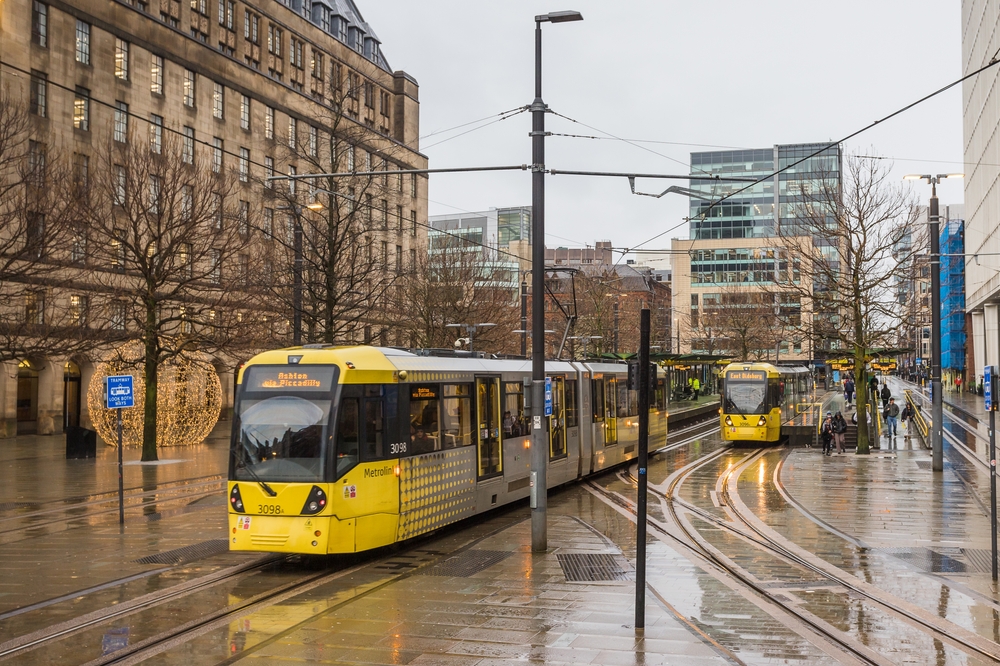
The Department for Transport has launched a new Mass Transit Taskforce, a strategic group of experts mandated to identify and dismantle the barriers preventing the rapid delivery of tram, light rail, and high-frequency bus networks across the UK.
Chaired by Bridget Rosewell CBE and featuring industry leaders from Arup and the Urban Transport Group, the taskforce will address long-standing challenges in planning processes, fragmented funding, and land acquisition. For the construction and engineering sectors, this initiative signals a significant shift toward the acceleration of urban infrastructure projects, with the first set of practical recommendations for reform expected within six months. This move is specifically designed to transform the scale and speed of project delivery, creating a more efficient pipeline for main contractors and specialized transport subcontractors.
Complementing this taskforce, the Government has announced a consultation on devolving additional powers to regional mayors, including the authority over Transport and Works Act orders (TWAOs). This devolution will grant local leaders the final say on public transport decisions, effectively moving procurement and delivery authority closer to the communities served. For construction firms, this decentralisation necessitates a stronger focus on regional engagement, as mayors in areas such as West Yorkshire, the North East, and the West of England gain the tools to expedite local transit extensions. High-profile projects, such as the North East’s Metro extension to Washington and the Liverpool City Region’s rapid transit system planned for 2028, illustrate the immediate demand for expertise in track laying, station construction, and bus rapid transit infrastructure.
The financial landscape for these developments has been significantly bolstered, with the Spending Review 2025 allocating £15.6 billion to Transport for City Regions (TCR) settlements. This doubling of investment in local transport provides the multi-year funding certainty required for major capital works and long-term supply chain planning. Additionally, the ‘Better Connected’ strategy and the Bus Services Act 2025 have paved the way for more integrated, contactless systems and council-run bus companies, creating further demand for digital infrastructure and station modernisation. For companies seeking to capitalise on this urban transport renewal, the taskforce’s focus on practical delivery reforms and the influx of regional capital present a clear opportunity to secure a central role in the UK’s evolving mass transit landscape. By aligning with the priorities of empowered local mayors, the construction industry can expect a transition from “plans on paper” to active site starts across the nation’s major urban hubs.
Image Editorial credit: Jason Wells / Shutterstock.com






More News
- Derelict Site Turned Canalside Development Ready to Welcome First Residents
27 Aug 26
A £150m Wolverhampton Canal side development is preparing to welcome its first residents – with
- Women Leading the Future of Construction & Modular Building
18 Aug 26
Women make up around 15% of the UK construction workforce, a figure that falls further
- Homes England Backs Sunderland’s Sheepfolds Neighbourhood with £27.7 Million Investment
17 Aug 26
Homes England has confirmed a £27.7 million investment to unlock the Sheepfolds neighbourhood.