Sector - Commercial


LOD simply explained: The LOD Kiwi
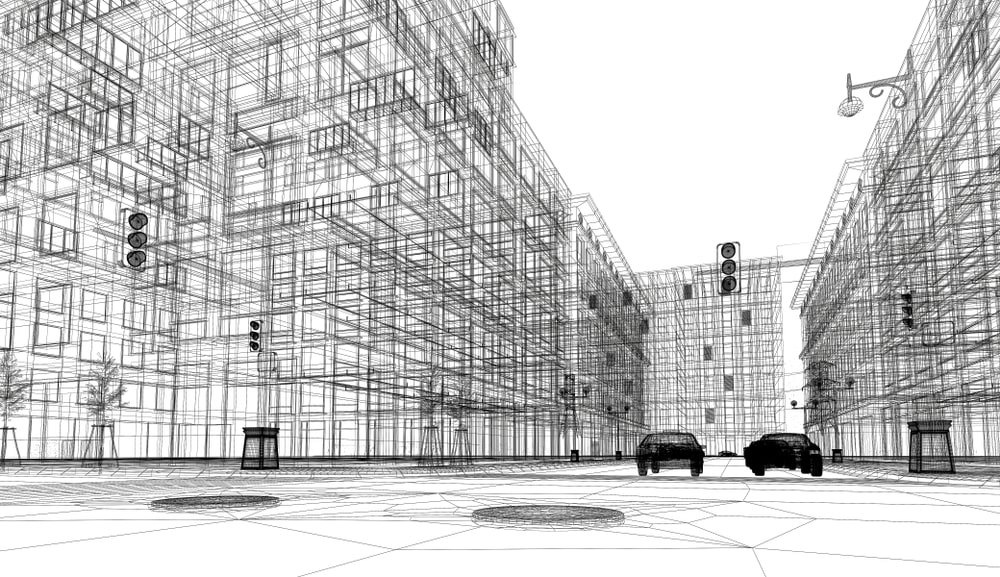
Trimble explains how LOD and LOG can improve Building Information Modelling.
In the world of Building Information Modeling (BIM), LOD stands for the Level of Development. As the required LOD can have a major impact on the size of your model, it’s useful to make a distinction between LOI and LOG.
The Level of Development can best be understood as a reference to the reliability of your model. It’s the degree to which an element’s geometry and attached (non-graphic) information have been thought through. In order to explain how this works, we’ll use a piece of fruit:
LOD = LOG + LOI
For this simplified representation of LOD = LOG + LOI, we have chosen a kiwi, which is divided into the LOG (Level of Geometry) and LOI (Level of Information).

LOG: Level of Geometry
The outside, the visible part of the LOD-kiwi, is the Level of Geometry (also called level of detail). It tells us something about the appearance (the geometry) of the element. The LOG in a BIM model expresses the geometric level of detail. For example, EMCS 4.0 distinguishes between 5 different levels, where LOG 1 stands for a schematic or symbolic representation of a product, and LOG 5 for a detailed, manufacturer-specific representation.
LOI: Level of Information
The invisible, nongeometric part of the kiwi is the LOI or Level of Information. In the example of the LOD kiwi, this is the taste, the colour, the smell, the price, and the expiry date.
In BIM models, the LOI stands for the non-geometric, technical information of a model. Content with a high LOI, for example, contains manufacturer-specific information such as price and stock information.
Get lean with LOD
Normally, the detail level of the geometry and the level of information both increase as a project progresses. However, there can be large differences between the LOI and the LOG: A component can have a symbolic representation, while the information is fully specified including manufacturer specific properties.
Differentiating between LOI and LOG is useful for managing expectations and making agreements, which benefits both the efficiency and communication within BIM projects.
Would you like to learn more about LOD and how to deal with it efficiently? Find out how the different LOD levels impact your building model.






More Commercial News
- Major construction milestone reached as Manchester PBSA scheme tops out
16 Jul 26
A major point, the Topping Out stage, has been reached at the £29 million purpose-built
- Planning permission granted for £18million next phase of MEA Park West at Wirral Waters
15 Jul 26
Waterside regeneration specialists, Peel Waters, have secured planning permission for an £18million next phase of
- Plans approved for nearly 1,200 homes across Derby city centre
3 Jul 26
Shopping centre owner Derbion has secured planning permission for two major regeneration sites in Derby