Sector - Transport & Infrastructure


New report gives recommendations for road and rail procurement
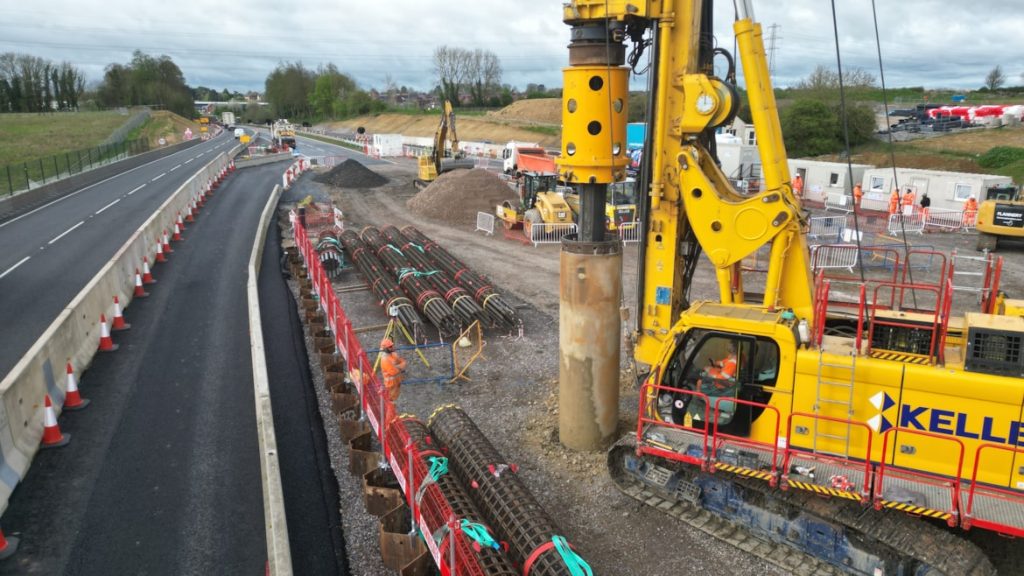
The Competition and Markets Authority (CMA) has issued a significant set of recommendations following its 11-month market study into the road and rail infrastructure sectors.
Published on 21 May 2026, the report concludes that the current fragmented and short-term approach to procurement is detrimental to the UK economy, driving up costs and stifling innovation. With approximately £19 billion spent on road and railway infrastructure in 2023/24 alone, the CMA estimates that systemic reform could save up to £5 billion annually. For main contractors and the wider supply chain, this report signals a shift toward a more stable and predictable operating environment, provided the Government adopts the proposed changes.
A central tenet of the CMA’s recommendations is the establishment of credible, long-term project pipelines supported by multi-year funding. This policy shift is specifically designed to give civil engineering firms the confidence necessary to invest in specialised skills, plant capacity, and technological innovation. By moving away from reactive, short-term decision-making, the Government aims to promote genuine competition and lower delivery costs. For suppliers and subcontractors, this represents a major opportunity to align their business models with a more transparent procurement schedule, allowing for better resource allocation and reduced bid costs. Furthermore, the report suggests that these procurement reforms could be applied systemically across other public infrastructure sectors, broadening the potential for market growth.
The CMA advises that HM Treasury take strategic ownership of these reforms to ensure system-wide coordination and market shaping. Industry bodies, including the Institution of Civil Engineers, have also championed the mandatory use of the Construction Playbook to standardise and accelerate infrastructure delivery. This focus on long-term value rather than just lowest-price tendering suggests that firms capable of demonstrating high-level productivity and innovation will be increasingly favoured in the procurement process. The report also highlights the need to bolster public-sector capacity, which may lead to more collaborative joint procurement exercises and shared expertise between authorities and private sector partners.
As the Government is committed to responding to these findings within 90 days, the infrastructure sector should prepare for a significant transition in how projects are scoped and delivered. The Civil Engineering Contractors Association has noted that these reforms could act as a catalyst for making the UK a more attractive destination for global investment. For companies seeking to enter or grow within the UK market, the move toward a strategic sector plan and improved pipeline visibility offers a clearer pathway to secure, multi-year contracts and sustainable growth across the national transport network.






More Transport & Infrastructure News
- Severn Trent to launch market engagement for up to £25bn capital design and delivery frameworks
6 Aug 26
Severn Trent Water is preparing to launch a pre-market engagement notice to initiate early engagement
- AI Mapping Tool Identifies 3,000 Small Sites With Potential for Nearly 10,000 Homes in Lewisham
5 Aug 26
PropTech pilot points toward a scalable model for unlocking small site housing delivery.
- Government Major Projects Report Shows Mixed Performance as NISTA Sharpens Oversight Tools
28 Jul 26
The National Infrastructure and Service Transformation Authority has published its Major Projects Annual Report.