News - Construction News


Women Leading the Future of Construction & Modular Building
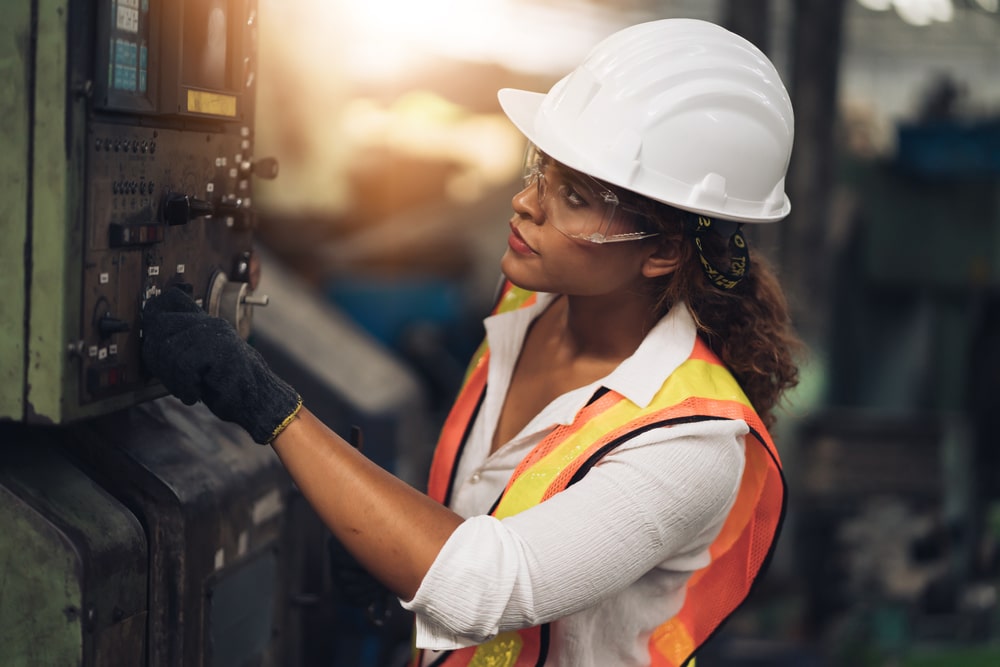
Construction has a long record of under-representing women, but the direction of travel is not static. Women make up around 15% of the UK construction workforce, a figure that falls further at senior and operational levels. That imbalance has been decades in the making, but it is starting to shift. The question is not whether women are entering construction at all, but where change is happening, where it is still slowing down, and what kind of industry model is more likely to widen access over time.
Modular construction broadens the range of roles visible within the industry, and that has implications for women entering and progressing through construction careers. At Portakabin, women are already working as structural engineers, principal building physicists, bid managers, heads of sustainability, product development managers, designers and estimators, showing how a broader workforce model can work in practice.
Progress is visible, but it is still uneven
There is evidence that more women are entering construction than a few years ago. The Construction Industry Training Board (CITB) said in late 2025 that the number of women starting a construction apprenticeship rose from 1,450 in 2018/19 to 2,420 in 2023/24. Apprenticeships remain one of the clearest routes into long-term industry careers, and the scale of that increase suggests that the pipeline is moving in the right direction.
Progress in entry routes does not automatically mean the wider workforce has rebalanced. Representation falls further at senior level, and that gap shows why apprenticeship growth alone will not close the divide.
The barriers are broader than recruitment alone
Gender imbalance in construction is often described as a recruitment issue, but the retention and progression picture matters just as much. CITB’s 2025 commentary on diversity and inclusion points to barriers including a lack of understanding around pregnancy, peri menopause, menopause, menstrual health and related conditions, alongside the wider need for flexible workplaces and inclusive working conditions. Those issues affect whether women stay in the sector, progress within it, and see construction as a long-term career with credible routes into management and specialist functions.
A business can say it wants a more inclusive workforce, but the test sits in how work is structured, how careers develop, and whether different types of roles are visible and supported.
Moya Bradley, HSE Business Partner at Portakabin, says: “Creating workplaces that are safe, flexible and genuinely welcoming will ensure that women can see real pathways to leadership.”
How modular expands the range of construction careers
Modular and off-site delivery bring a wider mix of functions into daily view. Design and engineering, procurement, manufacturing, project delivery, health and safety and commercial roles all sit within the same delivery model, giving a more visible route into construction beyond site trades alone.
At Portakabin, women hold roles including Procurement Manager, Electrical Apprentice and HSE Business Partner. Sophie Luff spoke about completing her Level 4 CIPS qualification while balancing work and motherhood, Phoebe Alletson described the confidence and skills gained through her apprenticeship, and Moya Bradley pointed to the technical demands of major projects and her continued development in lifting and safety qualifications.
How long-term progress is built
Bringing more women into the business is one step, but longer-term progress depends on what happens after recruitment. It is stronger when women are supported to build experience, take on broader responsibilities and move into more senior roles over time. Anne Carver’s progression at Portakabin provides an example of how building experience across different roles can lead to senior leadership opportunities within the business.
Anne Carver, Head of Operations for GB Hire at Portakabin, says: “Women need to be able to see what progression looks like in real terms. That might be access to training, movement into broader responsibilities, or seeing people around them develop in different directions. Without that visibility, it becomes harder to view construction as a long-term career. Internal support, including the Women’s Network at Portakabin, helps make that progression feel more tangible.”
What needs to change for women in construction
The future for women in construction will not be determined by recruitment campaigns alone. It will depend on whether the industry becomes a place where women can enter, stay, build careers and lead across a wide enough range of roles. Some entry routes are moving in the right direction, but representation across the wider workforce still shows how far the sector has to go.
Offsite delivery already depends on a broader mix of skills than many people associate with the sector, which gives modular construction a stronger basis for showing how careers can develop over time. Women are already contributing across procurement, apprenticeships, health and safety and other operational functions, but the wider task now is to make that progression more visible and more achievable.
Article from modular building specialist Portakabin explores whether modular and offsite construction could help widen access to the industry by making a broader range of careers more visible.






More News
- Derelict Site Turned Canalside Development Ready to Welcome First Residents
27 Aug 26
A £150m Wolverhampton Canal side development is preparing to welcome its first residents – with
- Homes England Backs Sunderland’s Sheepfolds Neighbourhood with £27.7 Million Investment
17 Aug 26
Homes England has confirmed a £27.7 million investment to unlock the Sheepfolds neighbourhood.
- Timber frame unlocks faster, cleaner homebuilding
14 Aug 26
Timber frame construction significantly accelerates delivery of housing.