Sector - Commercial


Cost of living bites construction
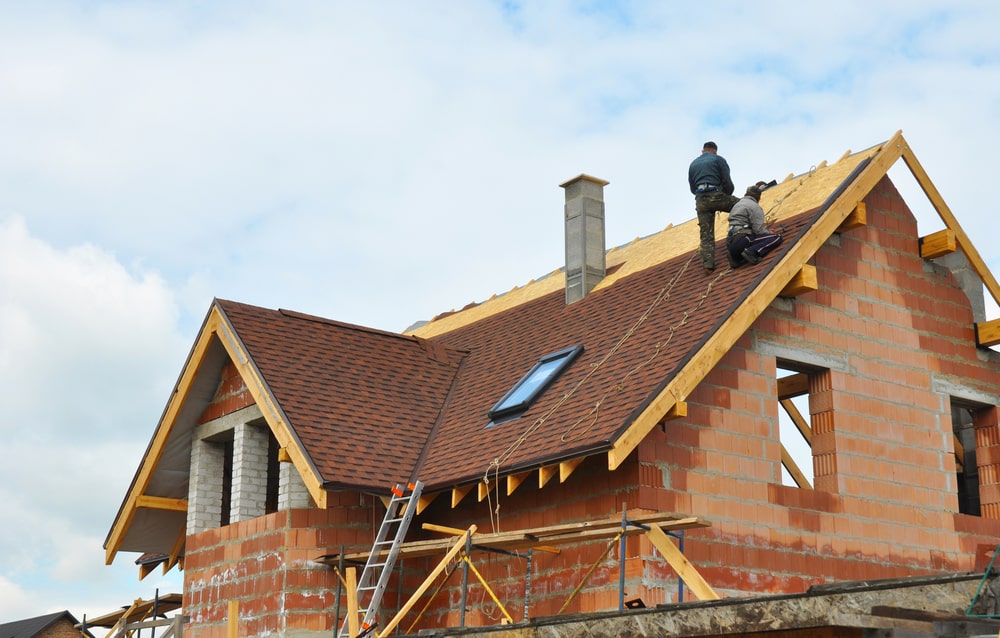
Construction output sees a second consecutive month of decline according to latest ONS figures.
Following on from June’s dip in output of 1.4%, monthly construction output decreased a further 0.8% in in July 2022; this is the second consecutive decrease in monthly construction output after seven consecutive months of growth.
The drop has been led by a 2.6% decrease in repair and maintenance.
Decreases at sector level were seen by public housing new work, and public and private housing repair and maintenance, which decreased 13.1%, 8.0% and 2.6%, respectively.
However, despite this latest decrease, output remains above the February 2020 pre-pandemic levels.
Construction output also realised an increase in levels over the three months to July 2022; this came solely from an increase seen in new work (2.7%) as repair and maintenance saw a slight decrease (0.7%).
This is the ninth consecutive period of growth in the three-month-on-three-month series, but the slowest rate of growth since the three months to December 2021 at just 1.0%.
Respondents to the Monthly Business Survey for Construction and Allied Trades (MBS) and the Business Insights and Conditions Survey (BICS) have highlighted cost increases in both materials and production, including higher fuel and energy costs, as continuing issues plaguing the industry.
The cost of living crisis is exacerbating issues in the sector, with evidence from companies supporting this contraction in demand.
With July 2022 also seeing a number of amber and red weather warnings as record-breaking temperatures scorched the country. For the construction industry, working days were lost during this time, as suggested in the anecdotal evidence from returns received for the MBS. Businesses reported that it was too hot to work because of the extreme weather conditions and record-breaking temperatures particularly seen around 18 and 19 July.
Clive Docwra, managing director of property and construction consultancy McBains, said: “Supply bottlenecks are also continuing to impact, especially with materials coming from China being affected by the partial or full lockdowns in dozens of Chinese cities.
“The effect of Russia’s invasion of Ukraine is also starting to bite harder. Many construction firms were protected from the increases in energy and material prices because they used forward contracts for energy and to pre-purchase materials and products where possible, but that has merely delayed pressures that are now being felt more intensely.
Clive continues: “July’s decrease in output in part reflects falling demand because of increasing cost of living pressures, and uncertainty over the UK economic policy given the contest over who would become the next Prime Minister.
“It has meant many clients – from households considering low-scale home improvements to investors and developers contemplating major new projects – held off committing investment.
“To ease the energy crisis, the construction sector would have liked to see the Truss administration support a major home insulation programme, which would not only help fix Britain’s leaky and energy-inefficient homes and help cut bills, but also provide work for smaller construction firms who are in particular feeling the pinch at present.”
If you would like to read more stories like this, then please click here






More Commercial News
- Major construction milestone reached as Manchester PBSA scheme tops out
16 Jul 26
A major point, the Topping Out stage, has been reached at the £29 million purpose-built
- Planning permission granted for £18million next phase of MEA Park West at Wirral Waters
15 Jul 26
Waterside regeneration specialists, Peel Waters, have secured planning permission for an £18million next phase of
- Plans approved for nearly 1,200 homes across Derby city centre
3 Jul 26
Shopping centre owner Derbion has secured planning permission for two major regeneration sites in Derby