Features - Business


Budget 2024 – Building strategy
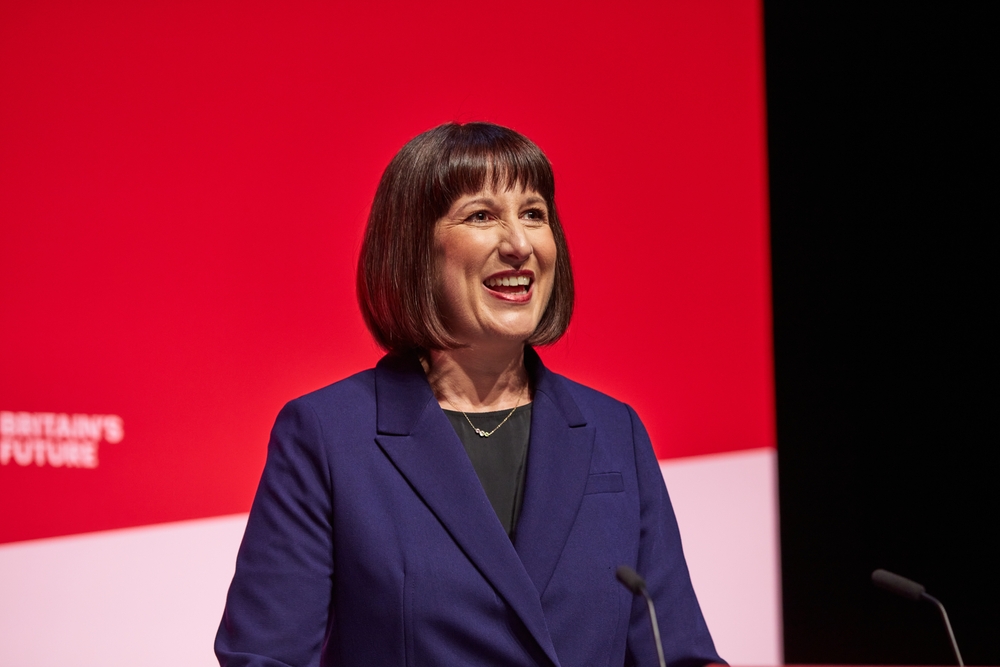
On Wednesday 30th October, Chancellor of the Exchequer Rachel Reeves offered us our closest look yet at the Labour government’s ambitious vision for the UK economy. Here’s a quick round up of how the budget will affect our sector.
Infrastructure: Building a Brighter Future
Infrastructure spending was a focal point in the Budget, with planned investments in transportation, green energy and broadband expansion. Here, the government’s aim is to modernise the UK’s infrastructure to improve connectivity, reduce carbon emissions, and drive economic development across regions. Significant resources have been allocated to road and rail improvements, along with digital infrastructure expansion, providing new opportunities for companies in civil engineering, energy, and telecommunications sectors. Projects included substantive upgrades for TransPennine Express, East West Rail and HS2 Phase One, alongside £1.6 billion in funding for local roads maintenance.
Additionally, the Budget’s green energy initiatives set to position the UK as a competitive market for renewable energy projects and infrastructure development. By leveraging £8 billion of private investment in Carbon Capture, Usage and Storage infrastructure and strengthening funding for the development of Sizewell C, the government has laid the foundation for Great British Energy – a new, publicly owned, clean energy company – and the opportunities for the supplier community here are substantial.
Housing
Demonstrating its commitment to delivering 1.5 million homes in this Parliament, the Labour government yesterday pledged to invest more than £5 billion to realise its ambitious housing strategy. Additionally, the Autumn Budget saw a significant £3.1billion increase for the Affordable Homes Programme, with £3 billion worth of support and guarantees earmarked to increase the supply of homes and support small housebuilders.
However, with new funding streams proposed to support social and affordable housing, supply chains specialising in the delivery of low-cost housing might find increased demand and partnership opportunities. Additionally, policies to incentivise sustainable housing development could attract supply chain partners looking to capitalise on government-backed eco-friendly projects.
Education
One of the less expected announcements was the £6.7 billion capital investment promised to the Department for Education. Described as a 19% real-terms increase, this investment includes more than £1.4 billion to rebuild 500 schools ‘in the greatest need’. The government will also provide £2.1 billion to improve school maintenance – a £300 million increase on this year.
If you would like to read more stories like this, then please click here
Image: Martin Suker / Shutterstock.com






More Features
- Britain’s Builders Are Waiting 53 days to Get Paid, and Eight in Ten Are Eight Months from Collapse
24 Jun 26
Britain's construction sector is heading for a cashflow crisis.
- One in five builders say late payments threaten their business
1 May 26
Cashflow pressures remain a major challenge for self-employed construction and building workers, according to new
- Majority of UK safety professionals warn of AI over-reliance risk as adoption accelerates
30 Apr 26
Astutis has revealed its Learner Report 2026, which reveals UK workplaces are now entering a critical