Features - Business


Construction activity is shifting, not stalling – says Expedite Director
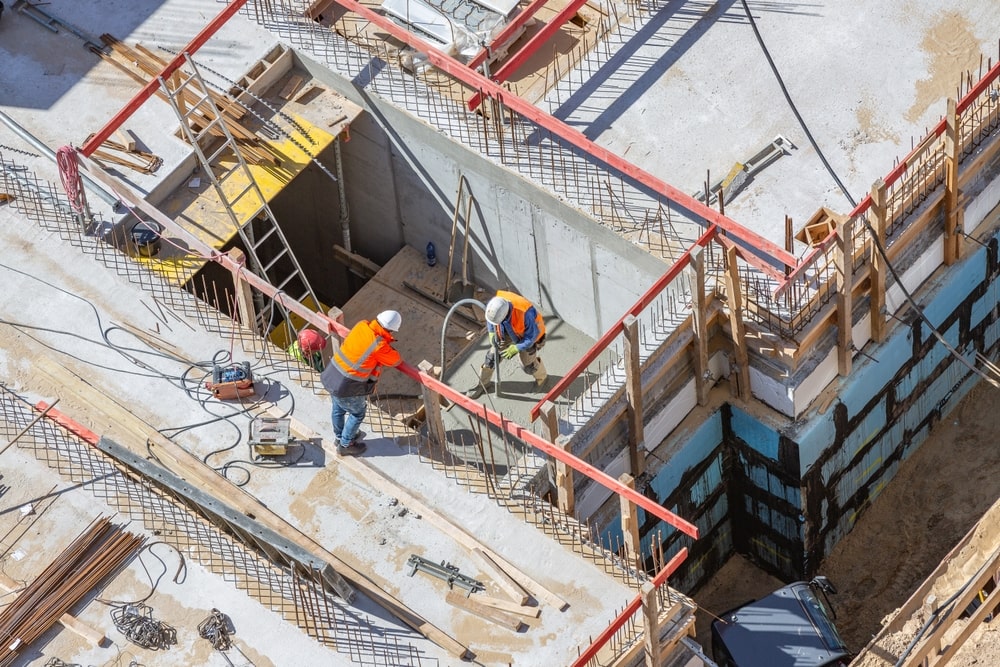
While uncertainty continues to weigh on the UK construction sector, industry activity is not disappearing, it is shifting away from speculative new build towards refurbishment, retrofit, infrastructure and public-sector-backed programmes.
Andrew Aust, Director at Expedite, says recent headline growth figures do not fully reflect where momentum is now building.
“Undoubtedly, the sector remains under huge pressure. Costs are not going down and are in fact likely to rise in some cases over the coming months, mainly due to the ongoing labour shortage. However, whilst that is largely out of the hands of the industry. There are other aspects we can control.
“Despite the softer headline numbers, activity isn’t disappearing; it’s moving. We’re seeing less speculative new builds, particularly in private housing, but increased momentum in refurbishment, retrofit, infrastructure and energy-related projects.”
Private housing remains the major drag on overall performance, with both new build and repair, maintenance and improvement continuing to underperform. In contrast, infrastructure investment is providing a degree of stability, particularly where projects are supported by long-term energy investment.
From Expedite’s perspective, this shift is already translating into live work across the country.
“Infrastructure has become a key stabilising force for the industry,” Aust continued. “We’ve picked up Energy Centre new-build work and pipe distribution projects nationwide, which are helping to underpin activity at a time when other sectors remain cautious.”
“Architecturally, we’ve started to notice a very slight softening in construction costs, with prices beginning to come down. At the same time, we’re seeing a strong uptick in enquiries, particularly around internal refurbishment projects and the change of use of existing office buildings into residential PRS and co-living schemes.”
While cost pressures have dominated industry discussion, Aust believes confidence, rather than cost alone, remains the fundamental blocker.
“Cost is clearly a major factor, but confidence is the bigger issue. The industry still needs much-needed policy clarity, particularly around planning reform, incentives and funding mechanisms, to help unlock stalled projects and give developers the certainty they need to move forward.
“The industry needs to look more towards collaboration, working together on projects, bringing in the best combination of companies to achieve the best results, rather than the huge amount of consolidation we are seeing now. Consolidation tends to be the more natural reaction to tough market conditions, but we need to resist this and move forward together, both on specific projects and the wider issue of policy clarity and reform,” Aust concluded.
If you would like to read more stories like this, then please click here
Related Articles
 ISG appointed to Fusion Students development in Sheffield
 Winvic Secures Logistics Contracts
 AI Can’t Lay a Brick or Skim a Wall: Why the Construction Skills Crisis Needs Experienced Tradespeople, Not Just Technology
 Why Modular Construction in the Commercial Sector Stacks Up
 Fund launched to improve infrastructure procurement

More Features
- Britain’s Builders Are Waiting 53 days to Get Paid, and Eight in Ten Are Eight Months from Collapse
24 Jun 26
Britain's construction sector is heading for a cashflow crisis.
- One in five builders say late payments threaten their business
1 May 26
Cashflow pressures remain a major challenge for self-employed construction and building workers, according to new
- Majority of UK safety professionals warn of AI over-reliance risk as adoption accelerates
30 Apr 26
Astutis has revealed its Learner Report 2026, which reveals UK workplaces are now entering a critical