HS2 begins tunnelling to central London
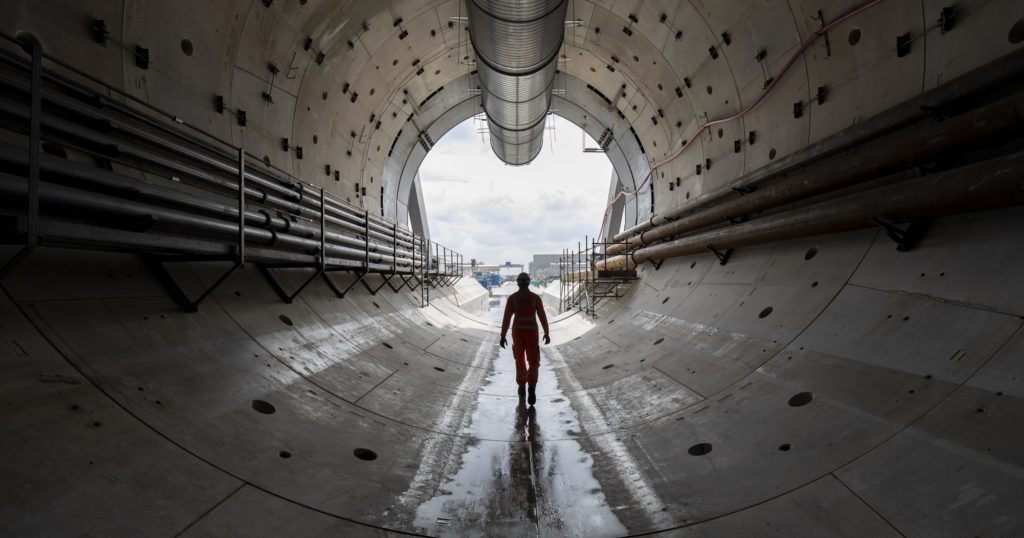
The first of two tunnel boring machines (TBMs) building the HS2 route to Euston has begun its 4.5-mile (7.2km) journey from Old Oak Common
Bringing HS2 into Euston is critical for regenerating the area, with the potential to contribute £41 billion to the UK economy
The Euston tunnel is the fifth and final deep twin-bore tunnel on the 140-mile (225km) HS2 route between central London and Birmingham The tunnel represents the next stage of the HS2 project, which will eventually see high-speed trains run directly to a new station in central London. Building the tunnel is a crucial step in the wider regeneration of the Euston area, attracting investment and creating new homes and jobs. The TBM was manufactured by Herrenknecht AG in Germany and shipped to the UK in 2024 before being carefully lifted into and reassembled in the giant underground station box at Old Oak Common.
Engineers from HS2’s London tunnels contractor, Skanska Costain STRABAG joint venture (SCS JV), have been working to prepare the machines for their tunnelling mission over the last 12 months. The TBM is an underground factory – working around the clock to excavate, install the concrete ring segments that form the walls, and seal them into place as it moves forward at an average speed of about 16 metres (52ft) per day. A separate logistics tunnel, completed in January 2024, supports the tunnelling operation for the Euston tunnel. The 853-metre (2,799ft) Atlas Road logistics tunnel allows the tunnelling team to access both machines, deliver construction materials including 48,294 concrete ring segments (combined total), and remove more than 1.5 million tonnes of excavated spoil. All the excavated material from the tunnel will be taken by conveyor to the London Logistics Hub at the Willesden Euro terminal depot.
From there it is taken by rail for reuse in projects in Kent, Cambridgeshire and Warwickshire. The journey to central London will see the TBM pass under the final resting place of Isambard Kingdom Brunel in Kensal Green cemetery. Brunel is widely celebrated as one of the world’s most ingenious figures in engineering history, and set standards for building a modern railway. Following the tradition of naming TBMs after women, the first TBM launched to build the Euston tunnel is named Madeleine after the former president of the Women’s Engineering Society, Madeleine Nobbs. She lived from 1914 to 1970 and worked as a building services engineer. Her father dissuaded her from pursuing a career in engineering, but after her mother met Adria Buchanan, the first woman to become a member of the Institute of Heating and Ventilating Engineers, she told her husband he could no longer refuse to support his daughter in her ambition. The Euston tunnel will complete the 27.5 miles (44km) of deep bore tunnelling on HS2 between London Euston and Birmingham Curzon Street.
Source: HS2 Ltd
More HS2 videos
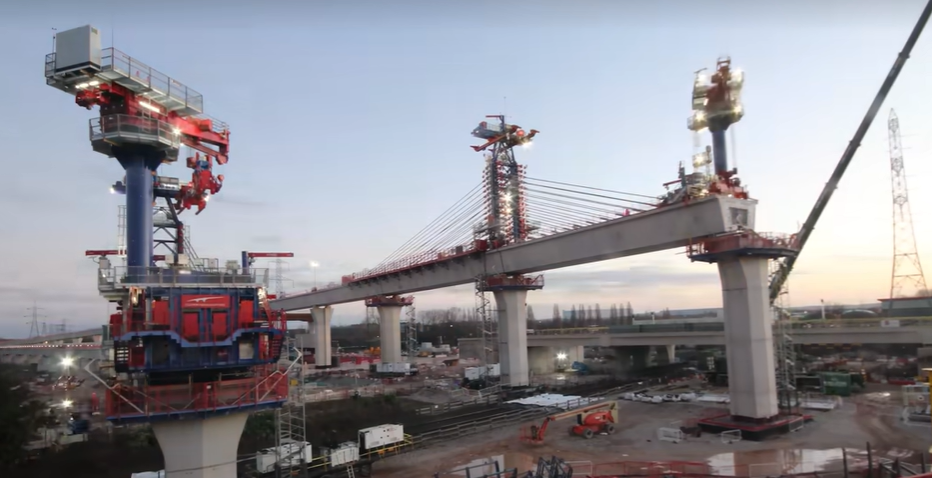
Water Orton Viaduct completed
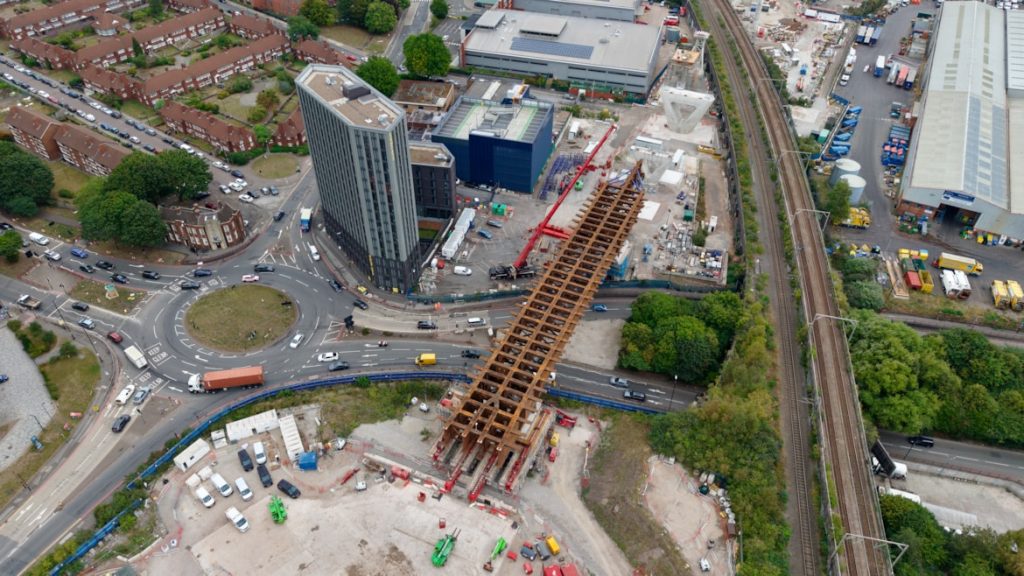
Huge HS2 bridge move completed in Birmingham ahead of schedule
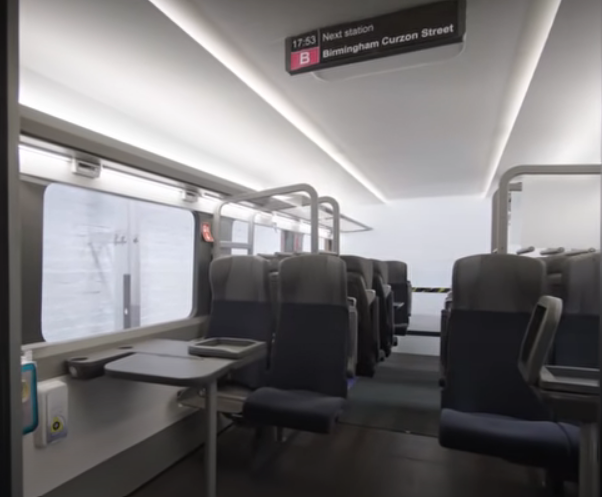
Inside HS2’s latest train design | First look at the future of high-speed travel
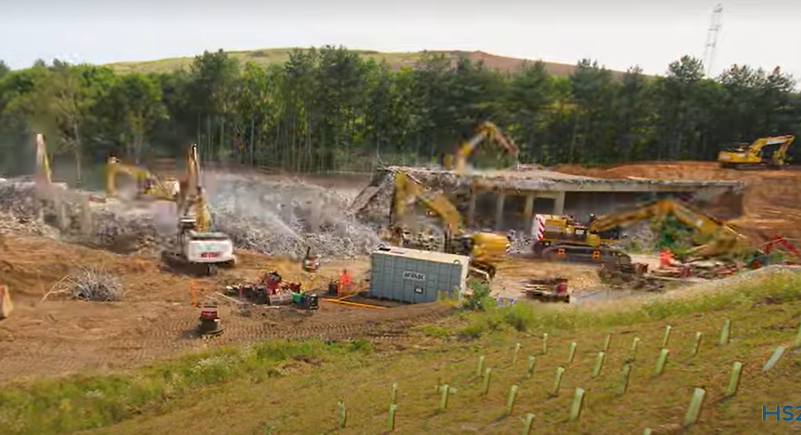
Timelapse: A452 bridge demolition

HS2 in West London: from trains to cranes
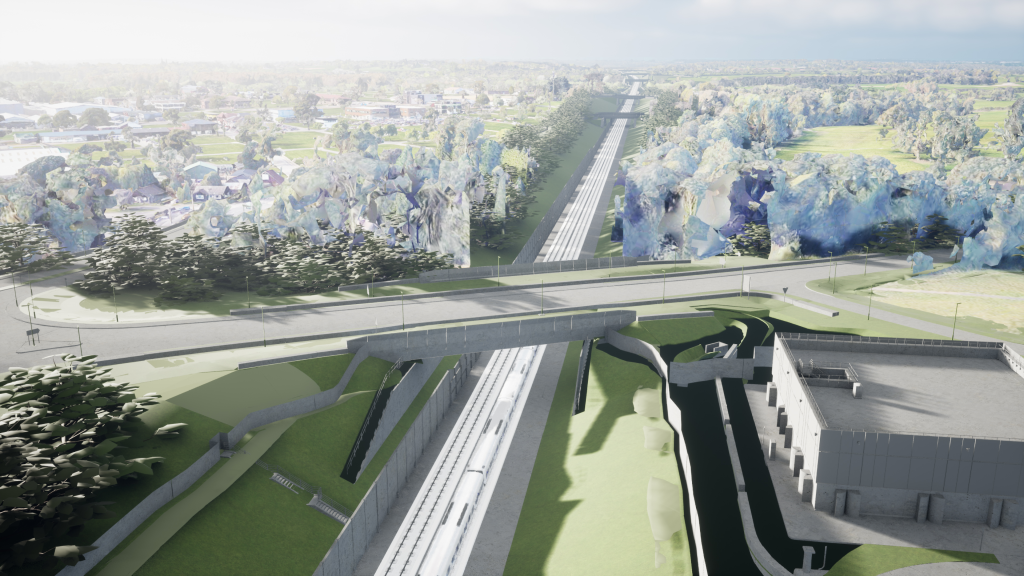
HS2 unveils latest green bridge near Kenilworth
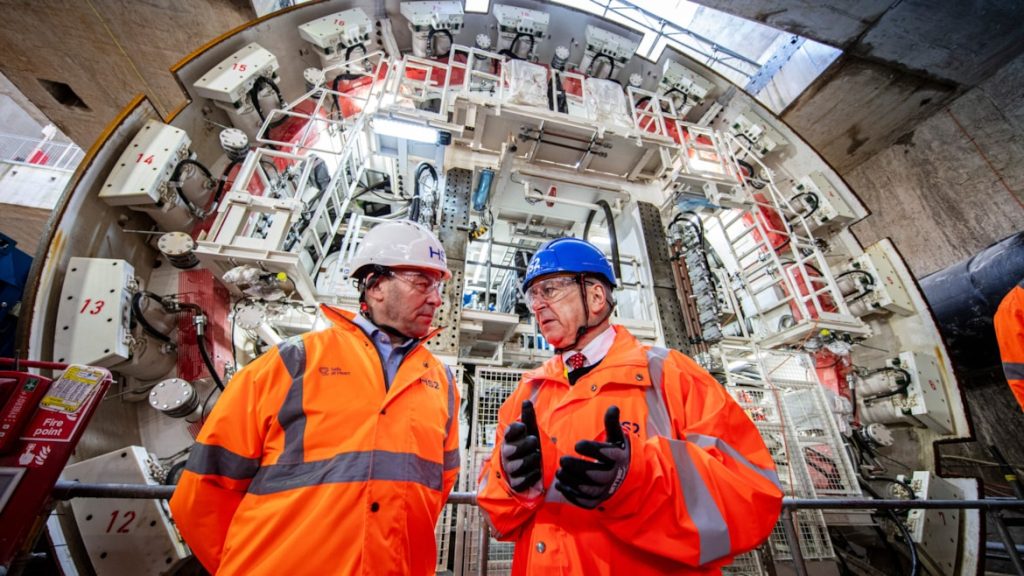
HS2 reveals two giant tunnelling machines preparing to dig Euston Tunnel
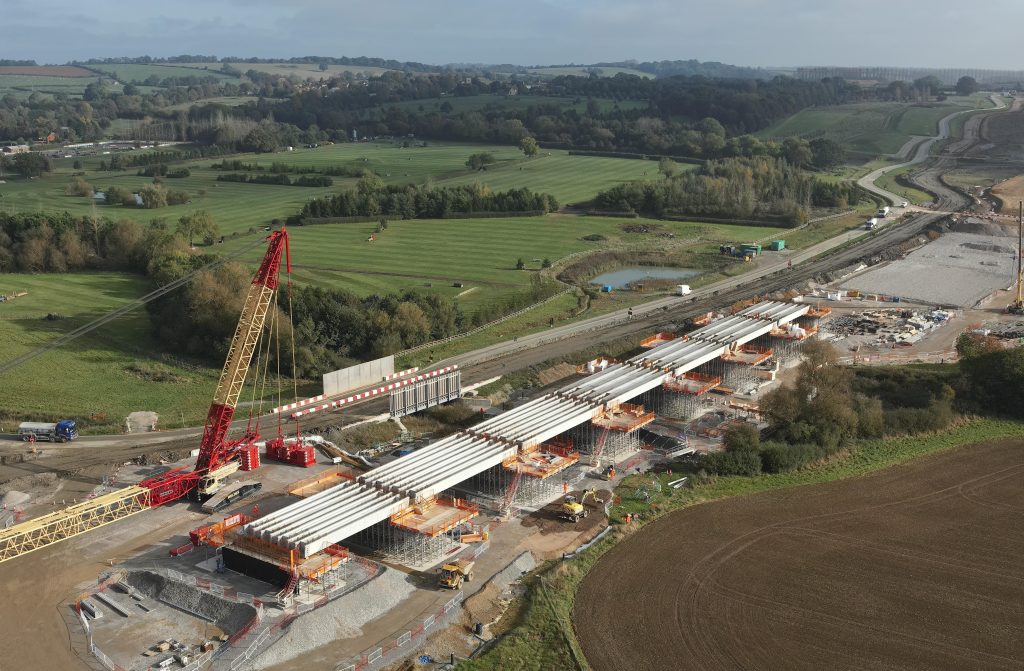
HS2 celebrates first completed viaduct
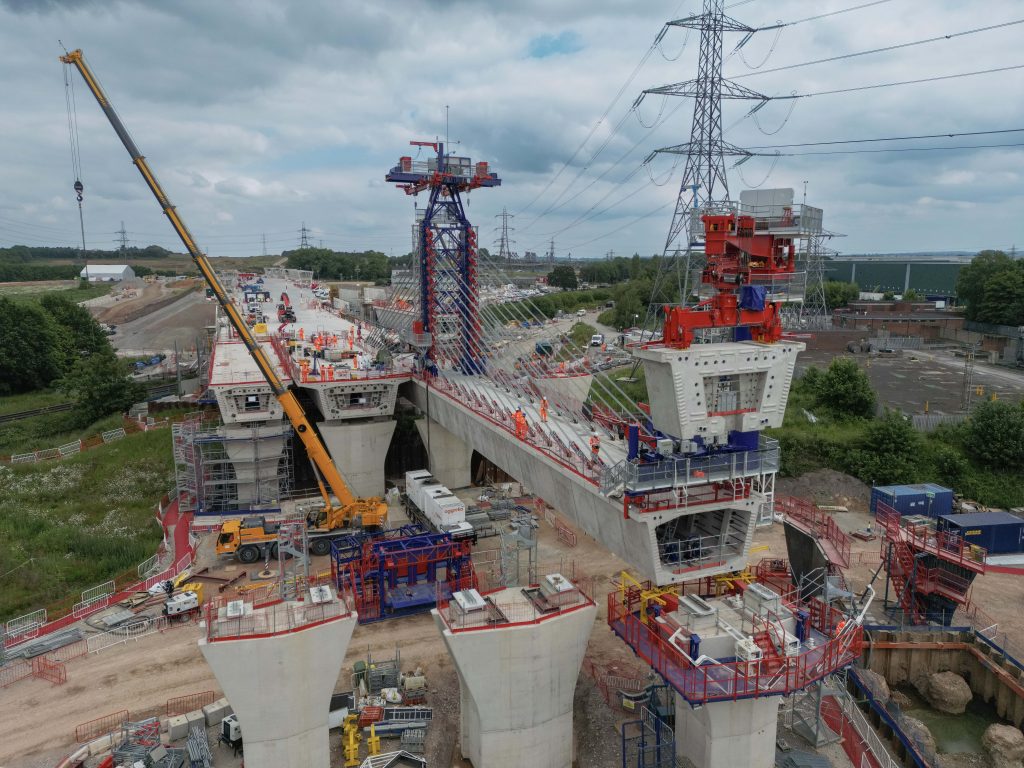
UK-first technique in full swing on HS2’s River Tame West Viaduct
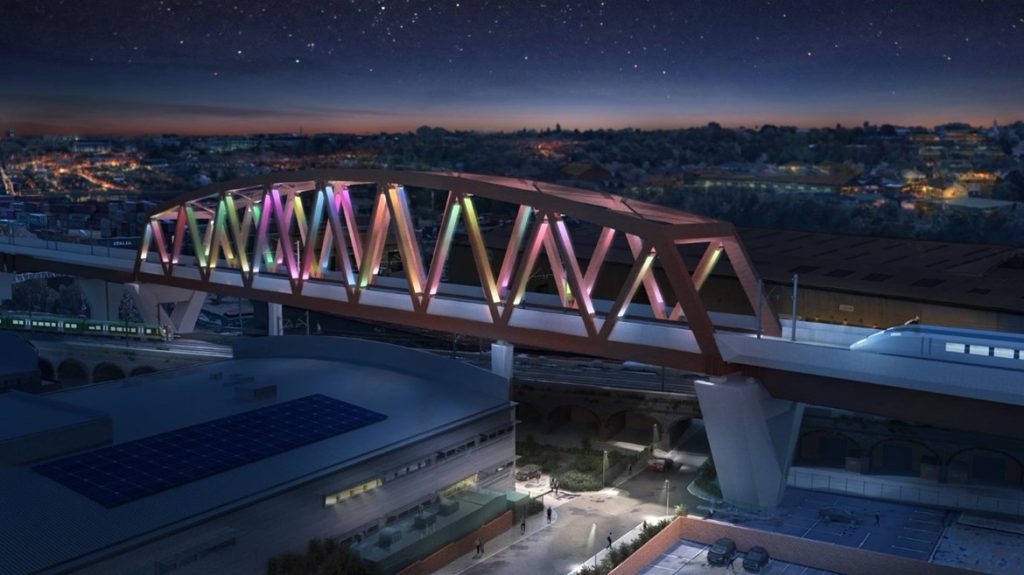
HS2’s “Bellingham Bridge” takes shape in Birmingham
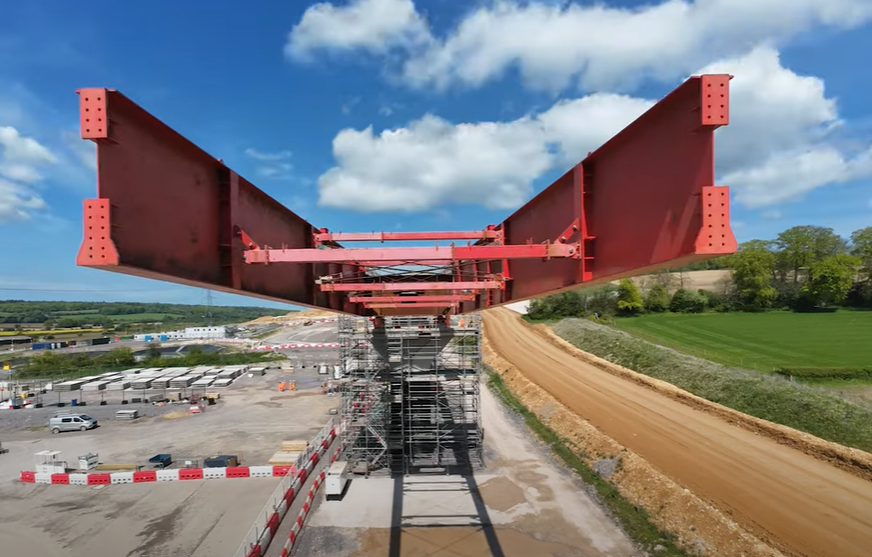
HS2 completes 3,130 tonne second Wendover Dean Viaduct deck slide
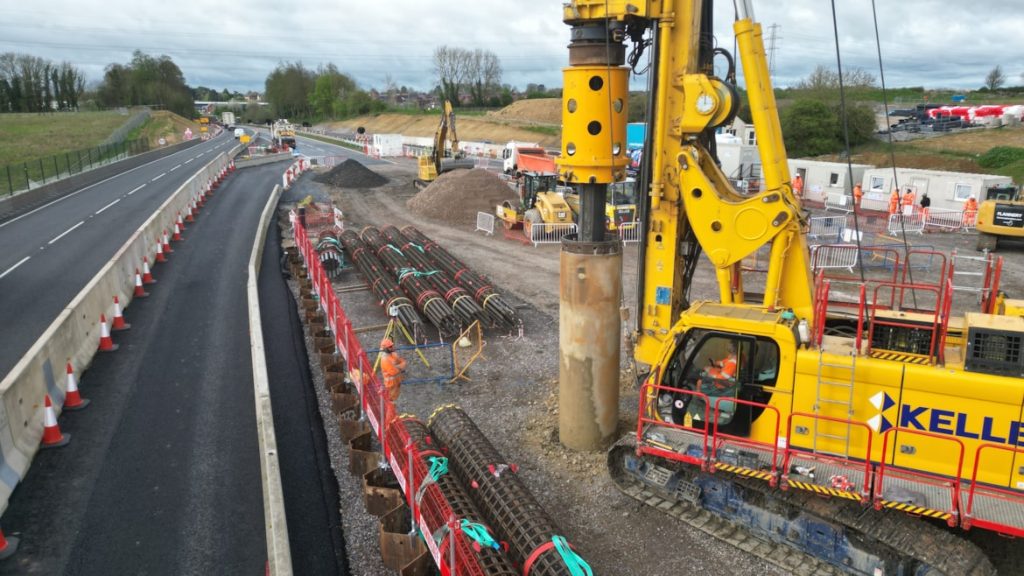
HS2 begins foundation works for key A43 bridge
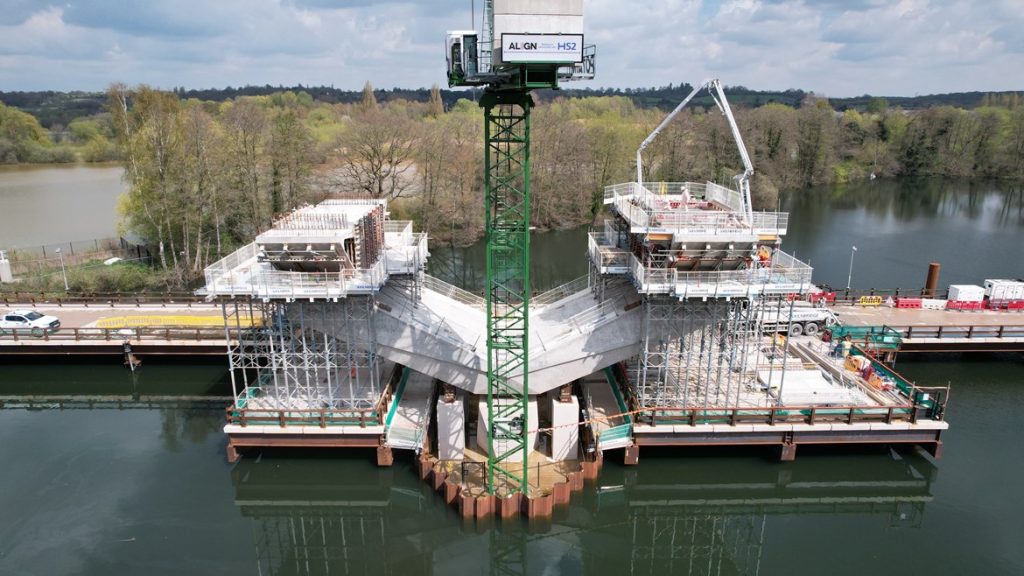
Last of 56 piers built on HS2’s longest viaduct
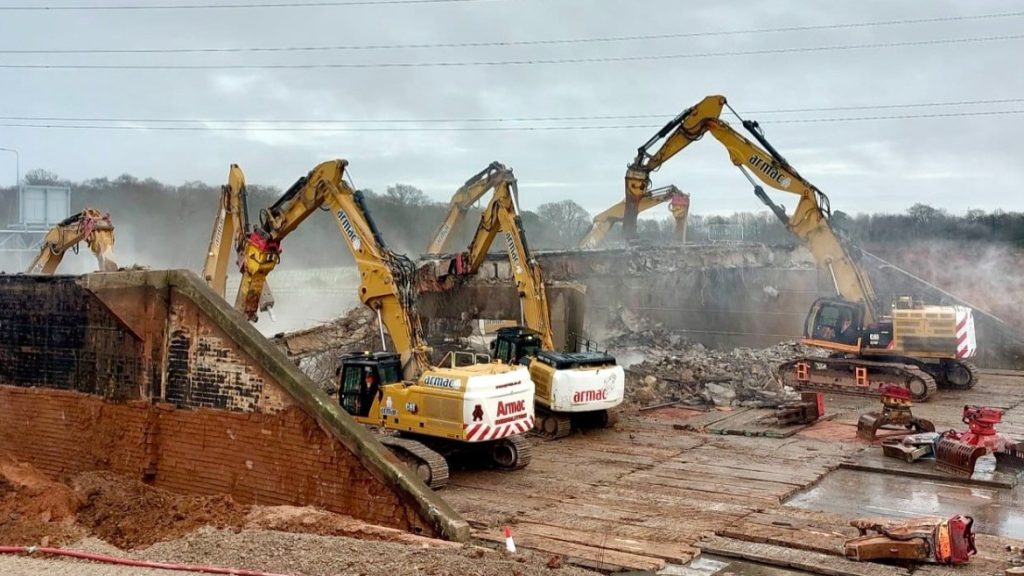
M42 timelapse bridge demolition
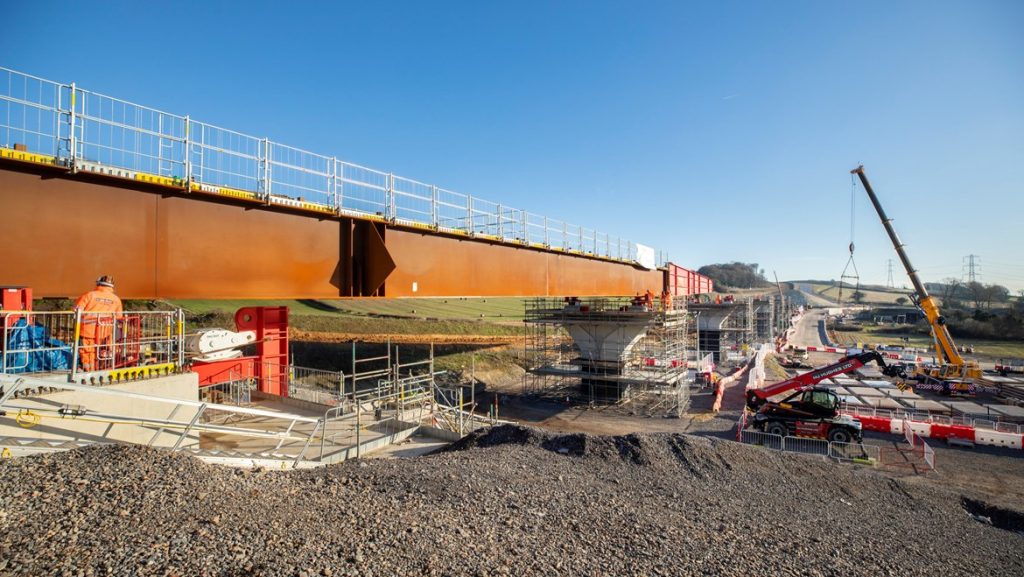
HS2 begins epic year-long, half-kilometre viaduct deck slide
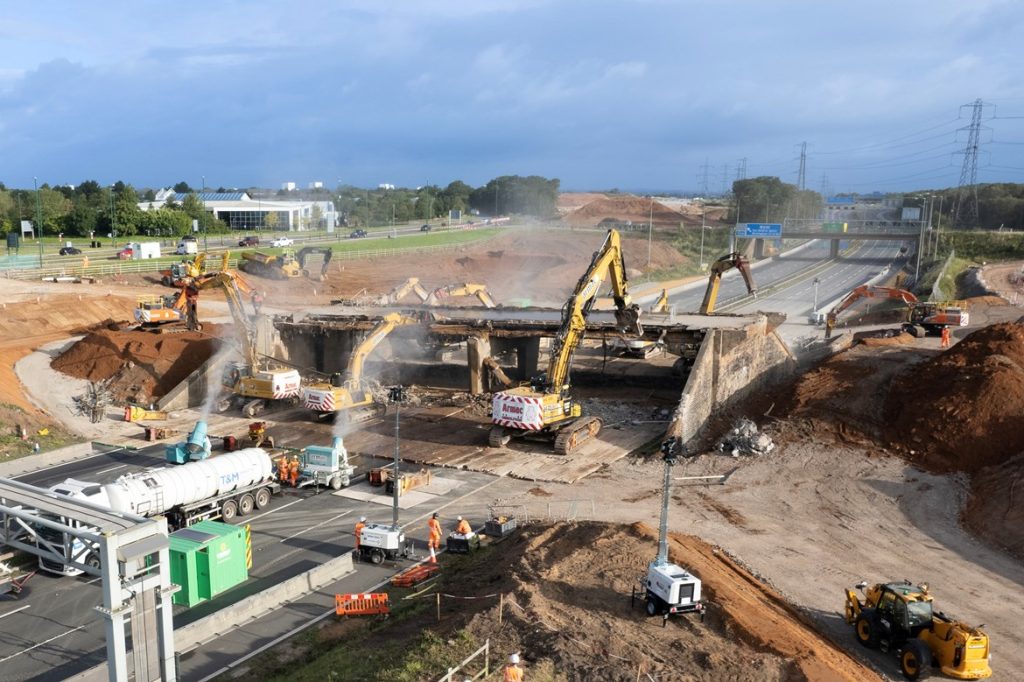
How HS2 removed a 4,000 tonne, two-span bridge
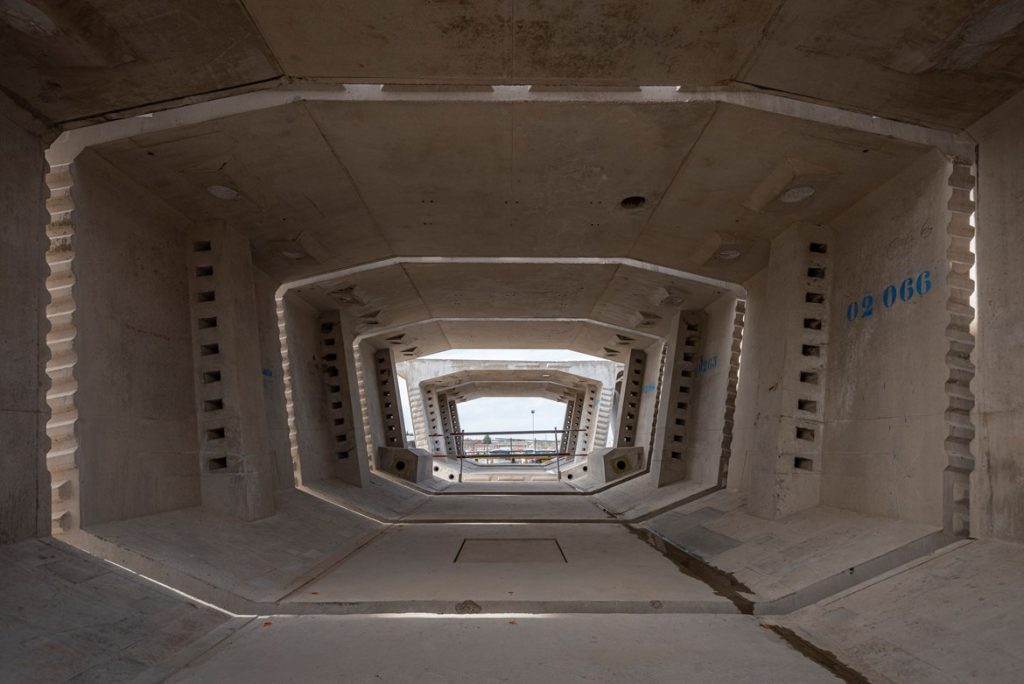
HS2’s giant viaduct segment factory starts production in the Midlands
HS2 in UK first
Behind the breakthrough | HS2 milestone

Building the UK’s longest railway bridge
HS2 tunnelling machine switched on
HS2 celebrates historic first tunnelling breakthrough
Construction starts on UK’s longest railway bridge
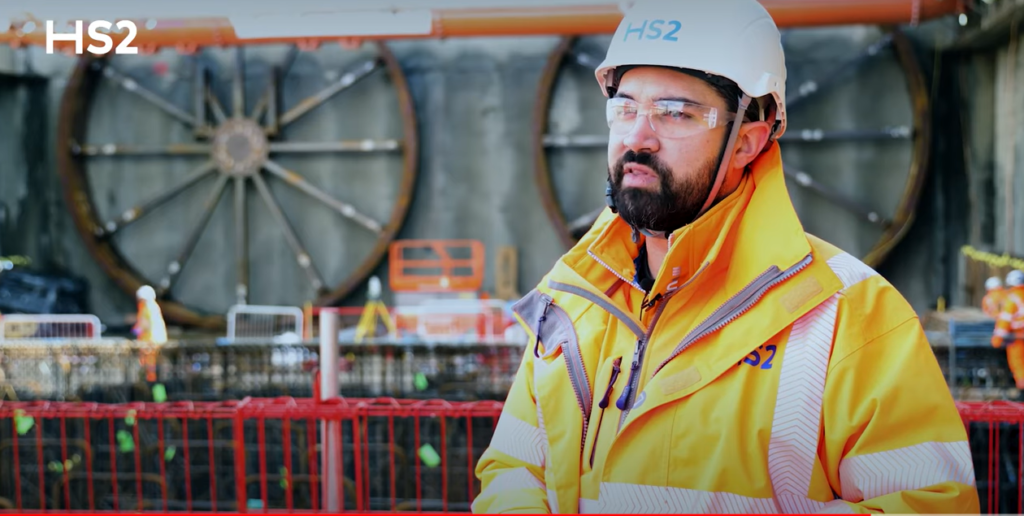
HS2’s West London tunnel launch site takes shape
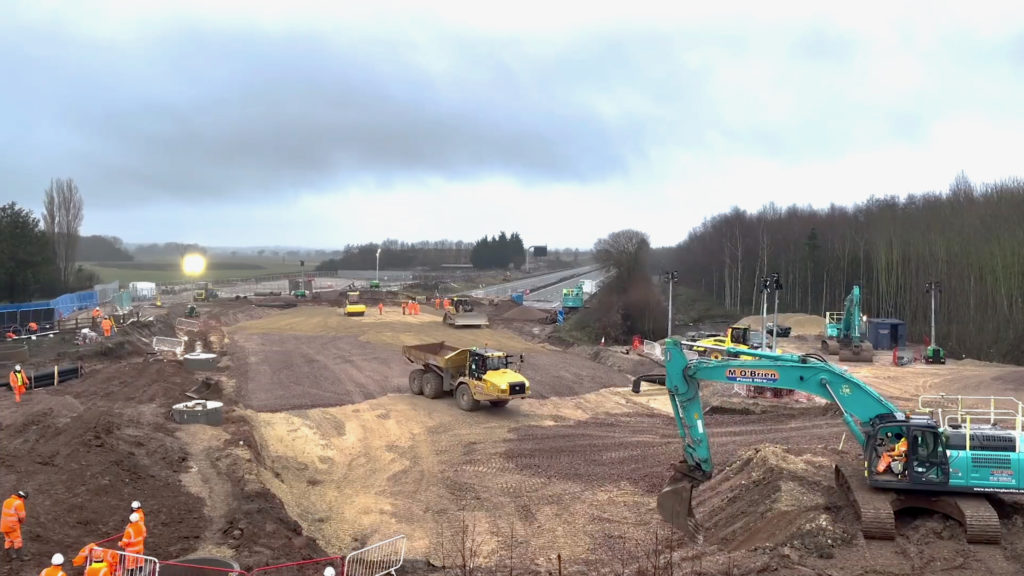
HS2 Timelapse: Marston Box Bridge
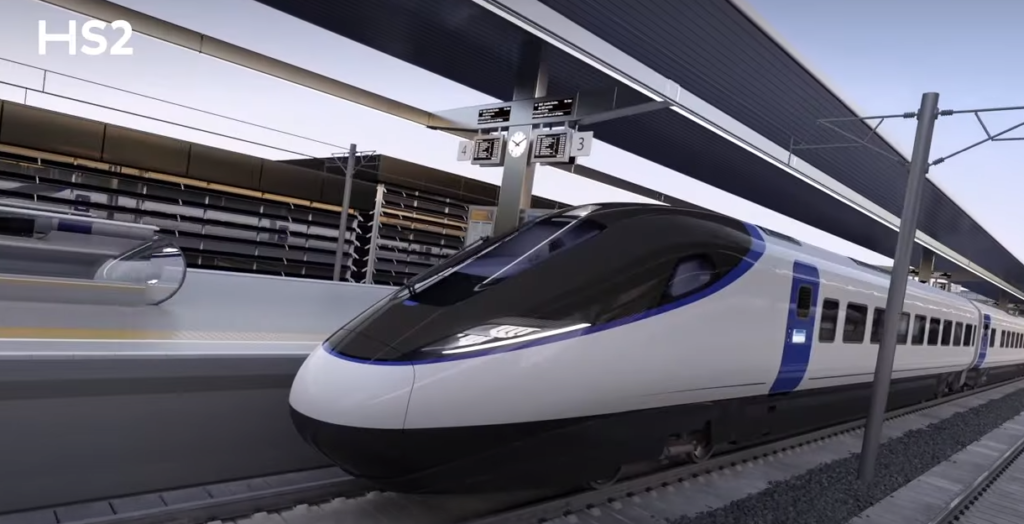
HS2: journey to net zero
First look at HS2’s state-of-the-art high speed trains
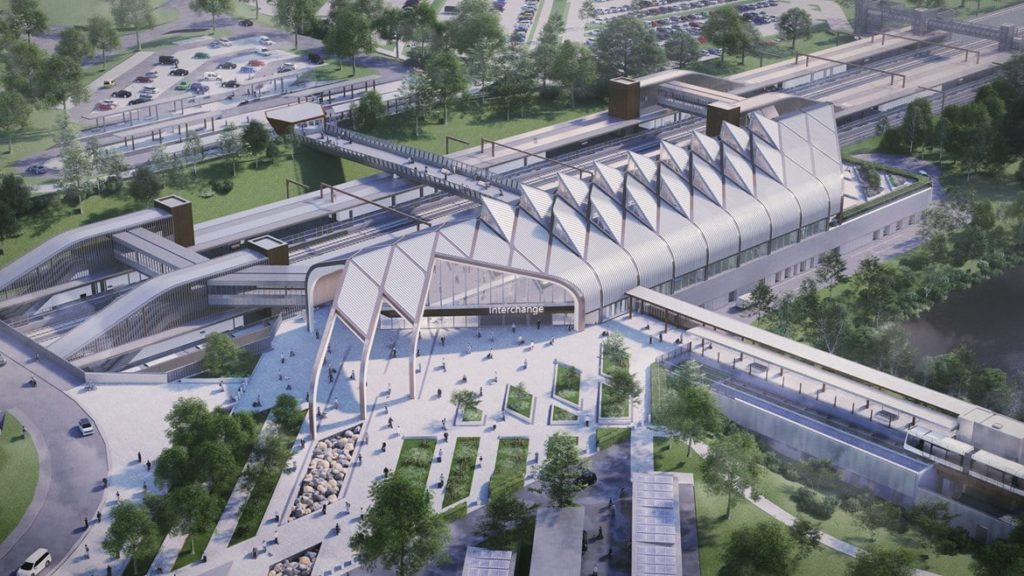
Tackling climate change through clean construction
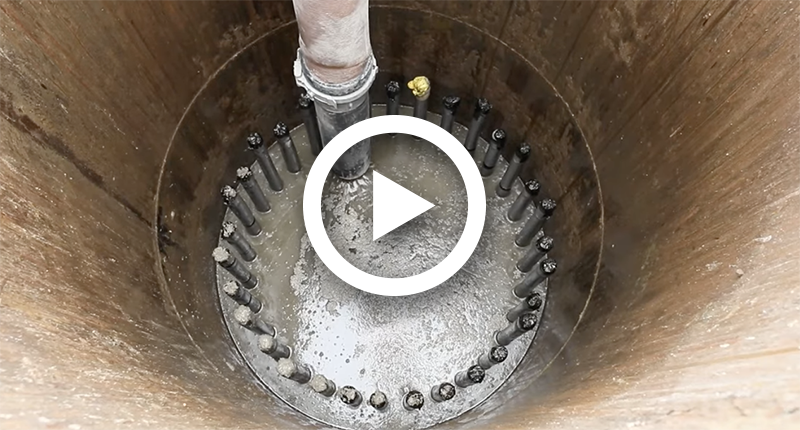
Innovation Update: World first vacuum excavation technique at HS2’s Euston site
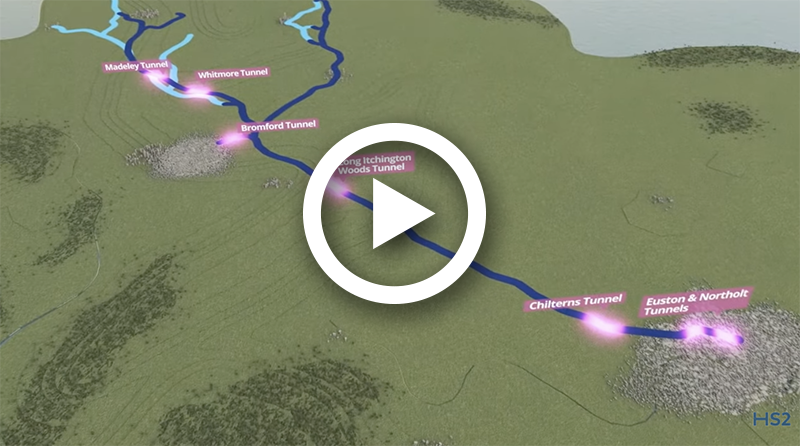
Tunnelling under the Chiltern Hills
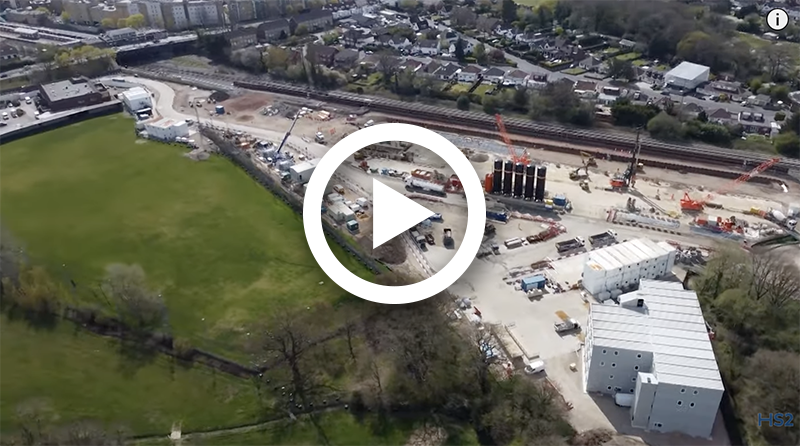
HS2 construction update: West Ruislip portal site
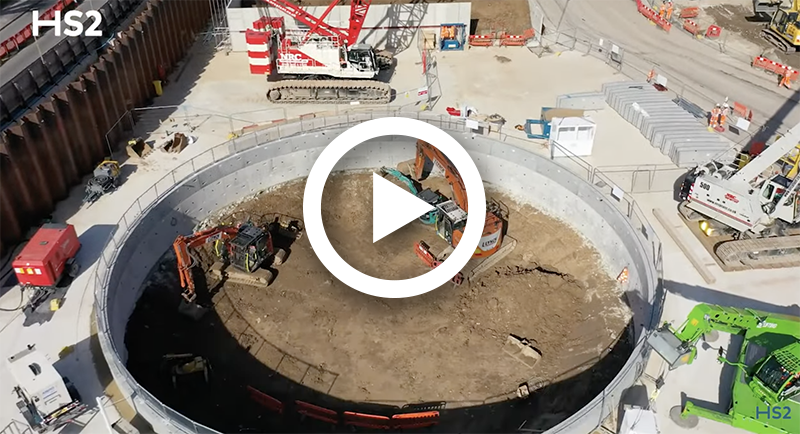
HS2 construction update: Victoria Road shaft
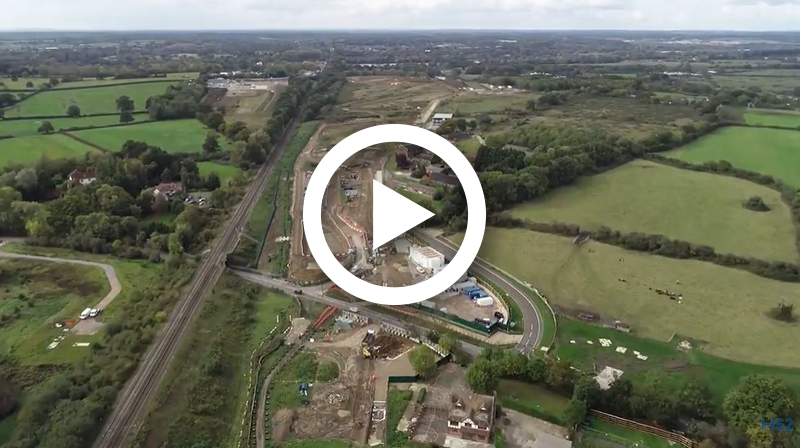
HS2 and Concept Engineering – Meet the Contractor
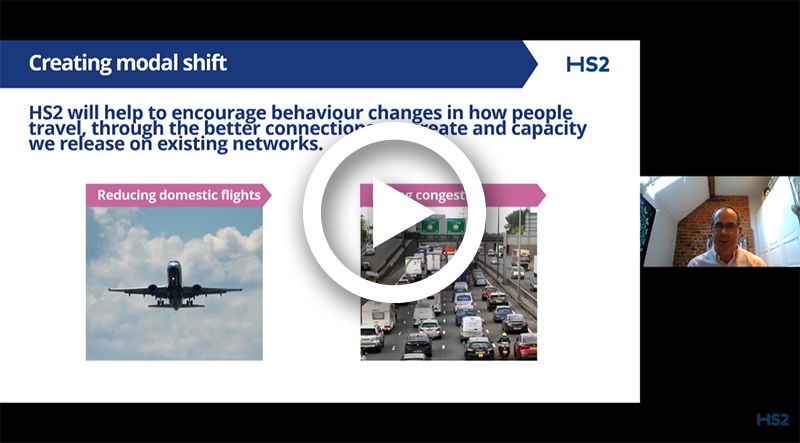
HS2: Decarbonising Transport Webinar
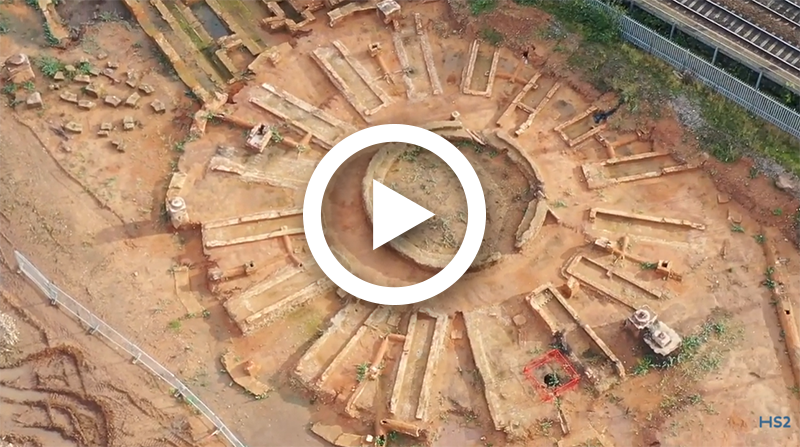
HS2 and McAuliffe Group, meet the contractor
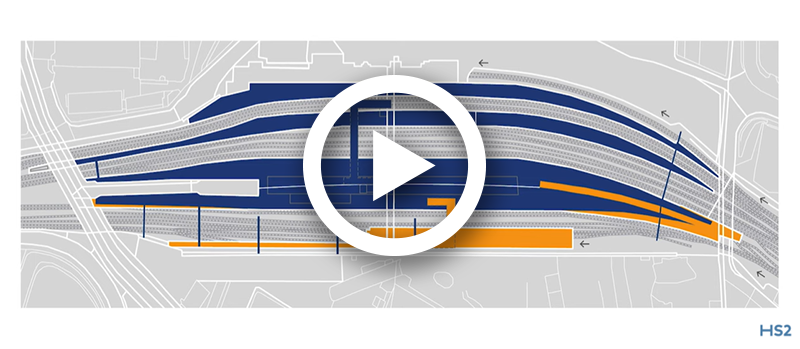
HS2 Phase 2b: Improvements to West Coast Main Line services
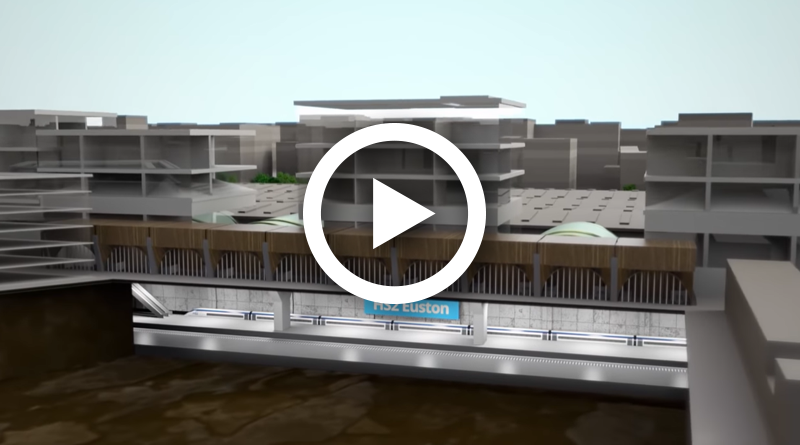
Building the Railway – HS2 Phase One
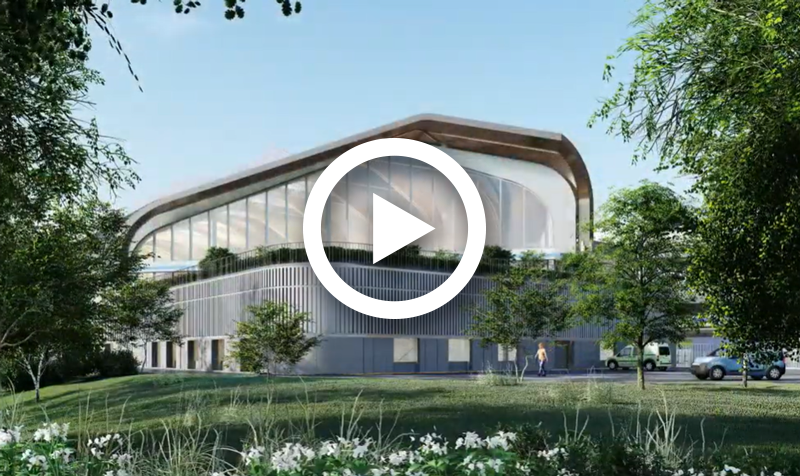
HS2 Interchange station animation
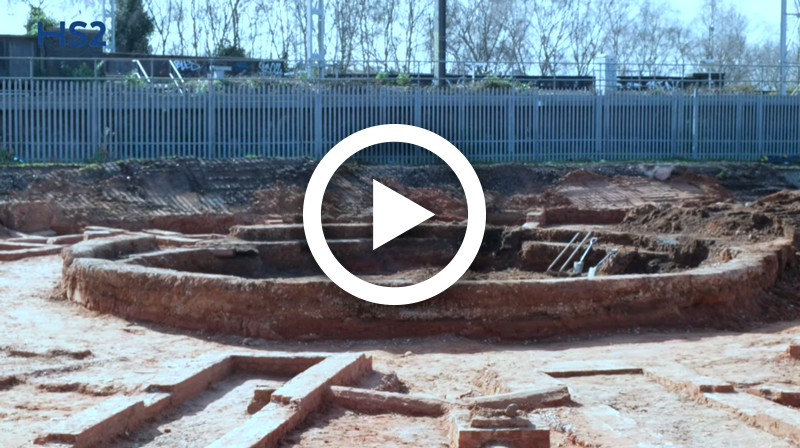
Historic railway roundhouse discovered at Curzon Street station
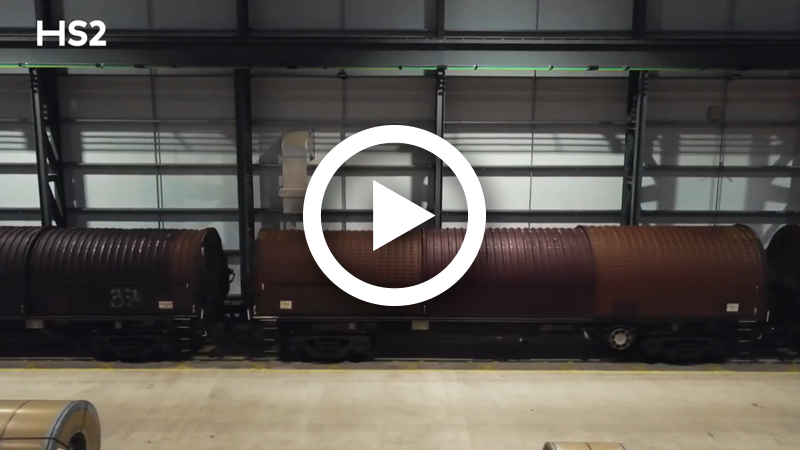
What does HS2 really mean for freight?

HS2: Upgrading Britain’s railways
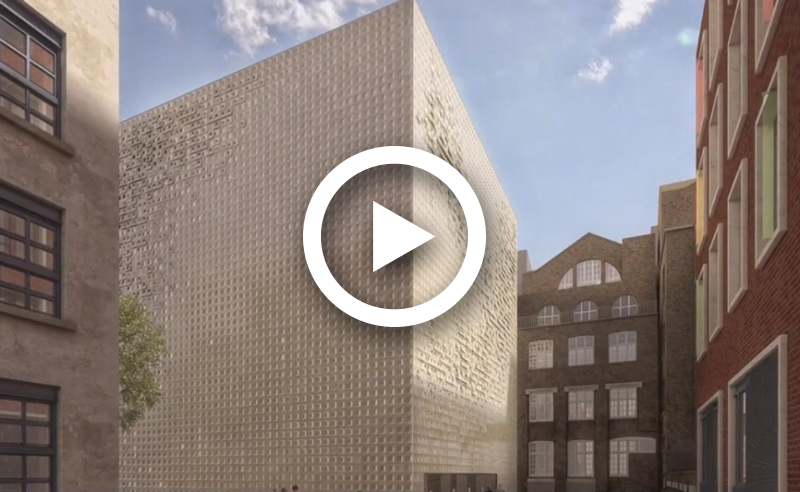
HS2’s Euston ‘sugar cube’
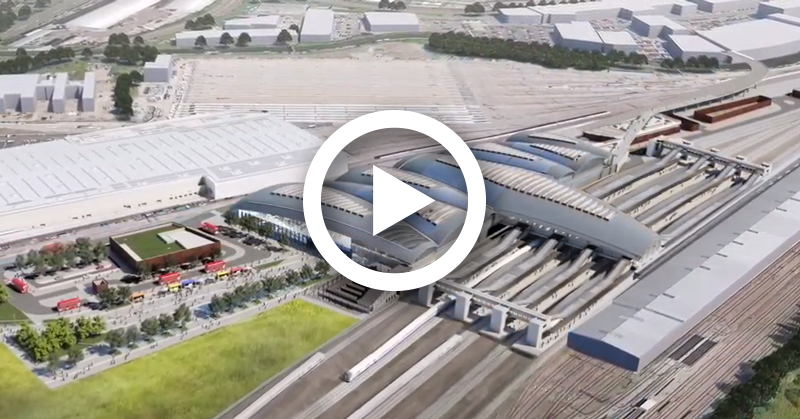
HS2 progress: Clearing the site to build the station at Old Oak Common